Ad creative, without the shoot day.
We go into your ad account, find what has already won, and rebuild it. Then we build twenty or forty more around it, across different formats, using the product photography you already own.
Nothing to schedule, nobody to book, no stock to ship. We generate the model and the scene. Your product goes in unaltered, and that limit is the whole reason it works.
- Your best performing static rebuilt first, then the pack built around it.
- Several different formats across the pack, not one layout repeated.
- Every placement size your account runs, named ready to upload.
- Yours outright, in perpetuity, with no usage window.
- One off. There's no retainer attached and nothing to cancel.
The account already knows what works.
This is the same method as a sprint, minus the shoot day. Designing off a brief alone is guessing, and it produces a batch that looks fine and reads badly. So we look first.
We start in your ad account, not in a design file
Ad level, over the last ninety days, every static you've run. We're looking for the device rather than the ad: where the headline sits, whether the winners carry a visible call to action, which kind of photograph is underneath. Accounts are remarkably consistent about this and most brands have never looked.
What already won gets rebuilt, not retired
Your best performing static is usually one product and one offer away from working again. Same device, new product, new season. That's the cheapest creative in the pack and it's the first thing we make.
The rest is built around it, deliberately different
Not one layout filled in twenty times, because five versions of the same ad is one ad with five headlines. The pack spans several formats and is built as concepts, each one a persona, an angle and an offer, so the result tells you which argument won rather than only which picture did.
Your product goes in unaltered, sized and named
The scene, the light and the type are built. The garment, the bottle, the label is your photograph, untouched in any way that changes what it is. Delivered in every placement your account runs, named so your media buyer uploads them without renaming a file.
What we won't generate, and why that's the point.
Anyone can buy the same tools we use. The difference is where we stop, and we stop in the same place on this page as we do on every other one.
- Scenes, surfaces, backdrops and sets
- Light, shadow and the treatment over the top
- Type, layout, offer mechanics and hierarchy
- Props, context and generated models to wear or hold the product
- Every placement size the account needs
- Generate the garment, the bottle or the label
- Alter colour, texture or cut in any way a customer would notice on arrival
- Invent a review, a rating or a testimonial
- Hand you something we wouldn't run on our own account
The thing that gives an AI ad away is almost never the background. It's the product: a garment that isn't quite the garment, a label with letters that are nearly right. A customer who orders from that ad notices on arrival, and the return costs more than the ad made.
Three sizes, bought once.
Across several formats and angles, so the first read tells you something.
For a brand that wants to see whether this clears the bar before committing a quarter to it.
Enough to run a proper testing structure and still have winners to iterate on.
For an account spending enough that creative fatigue is the thing capping it.
Ten to twelve hero scenes for one product or one drop, built for ads, email and social.
For a launch where the product is ready and the imagery is not.
Packs are quoted on the product count and the formats you need, and we'll tell you which size actually fits your spend rather than selling you the big one.
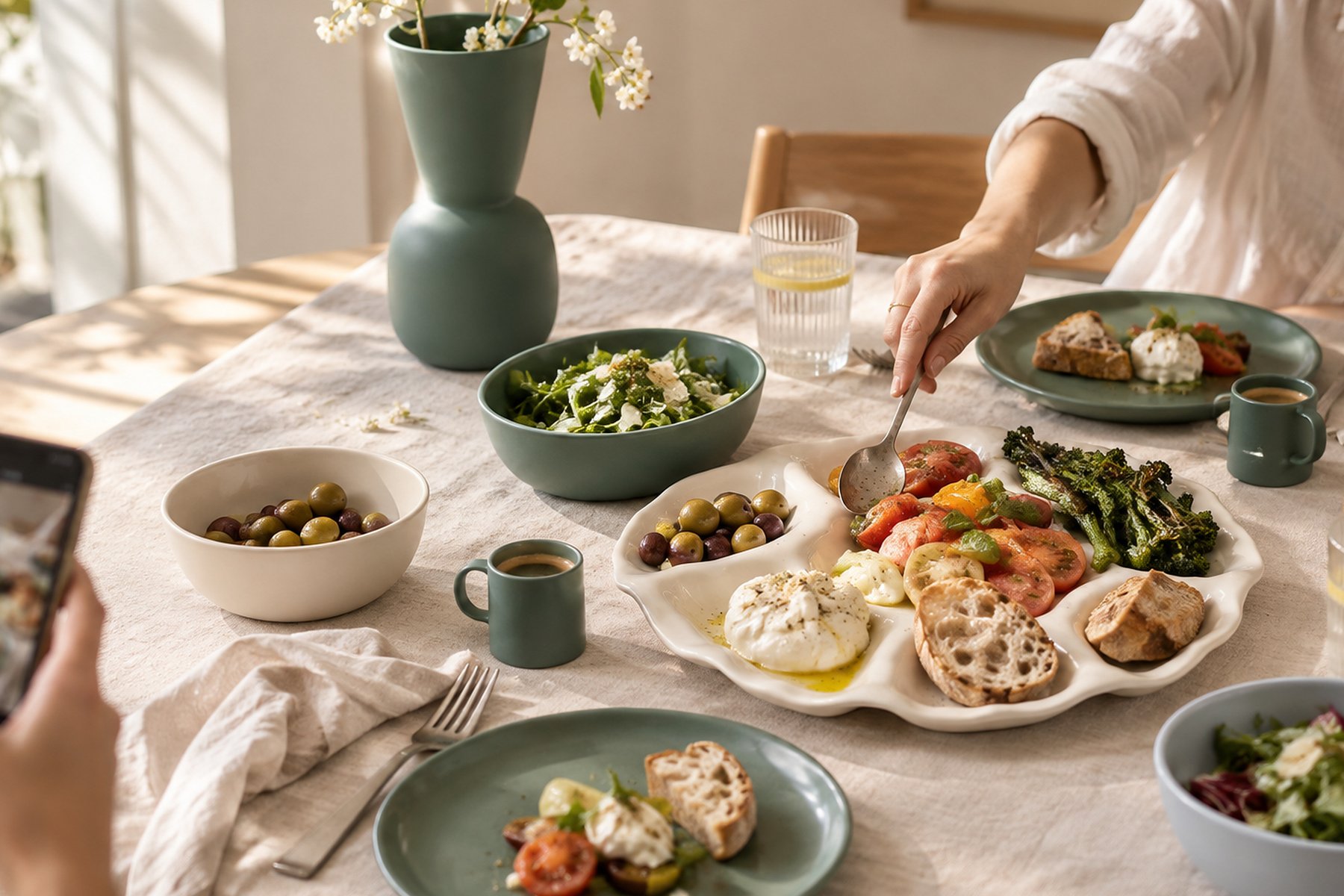
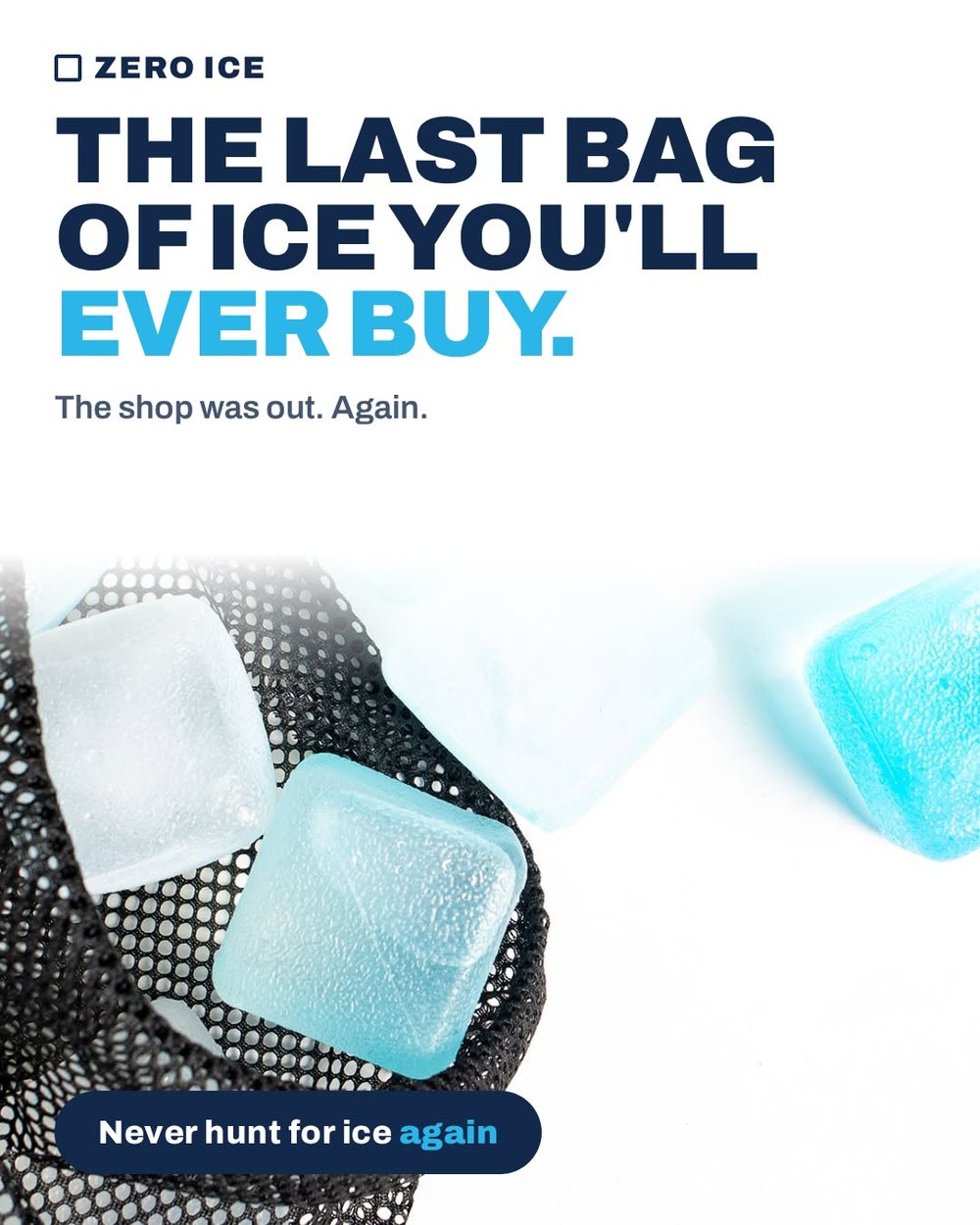
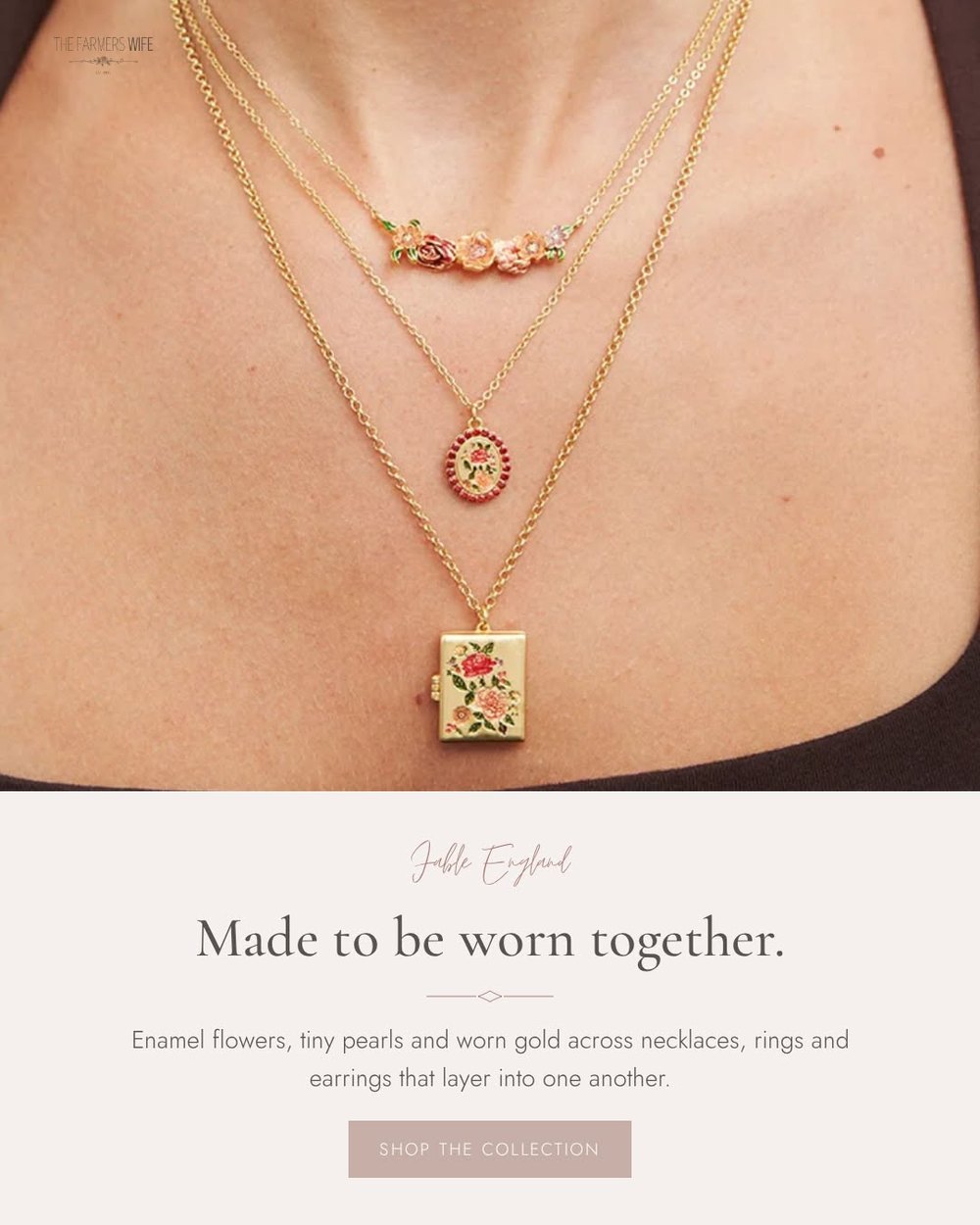
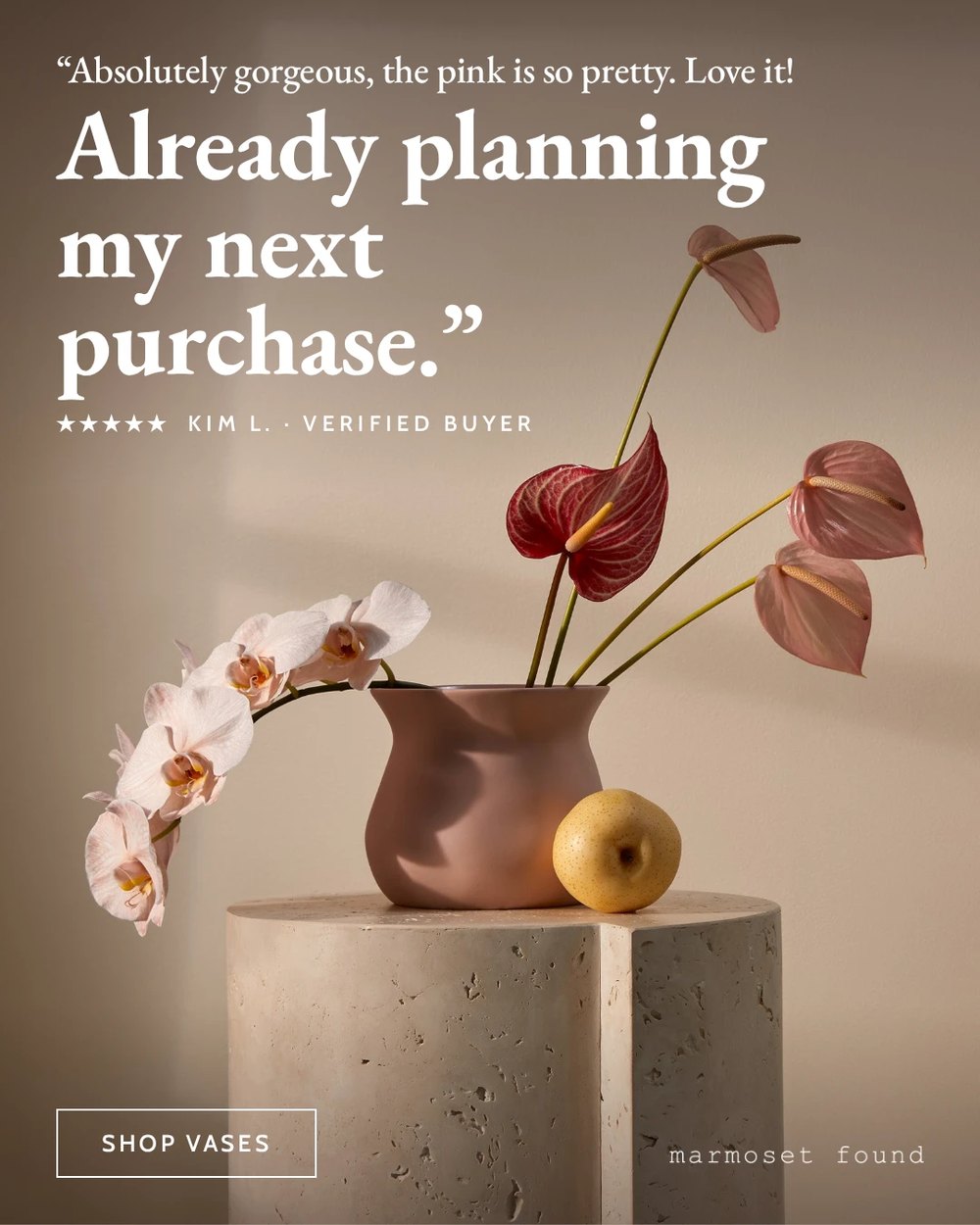
The standard it has to meet.
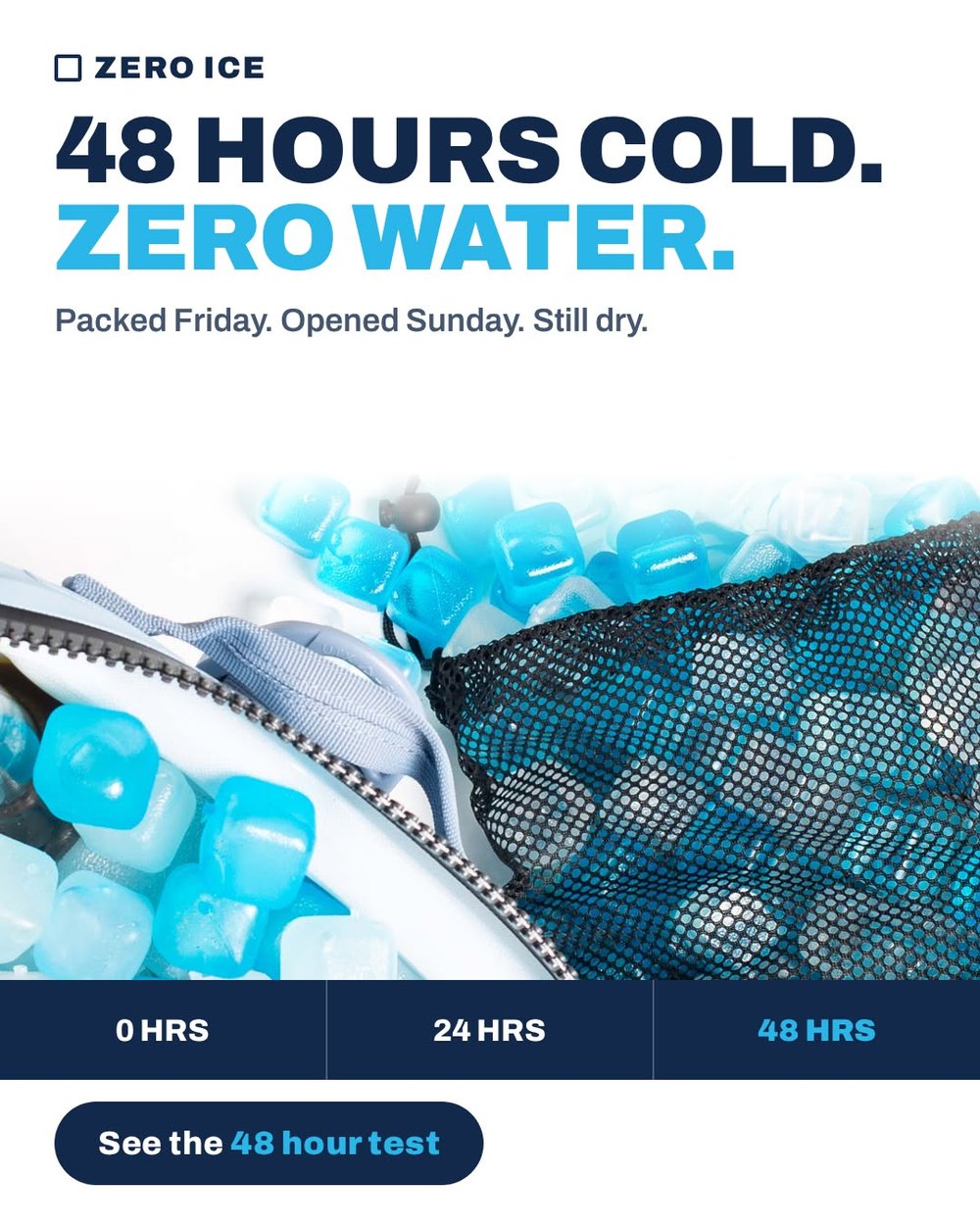
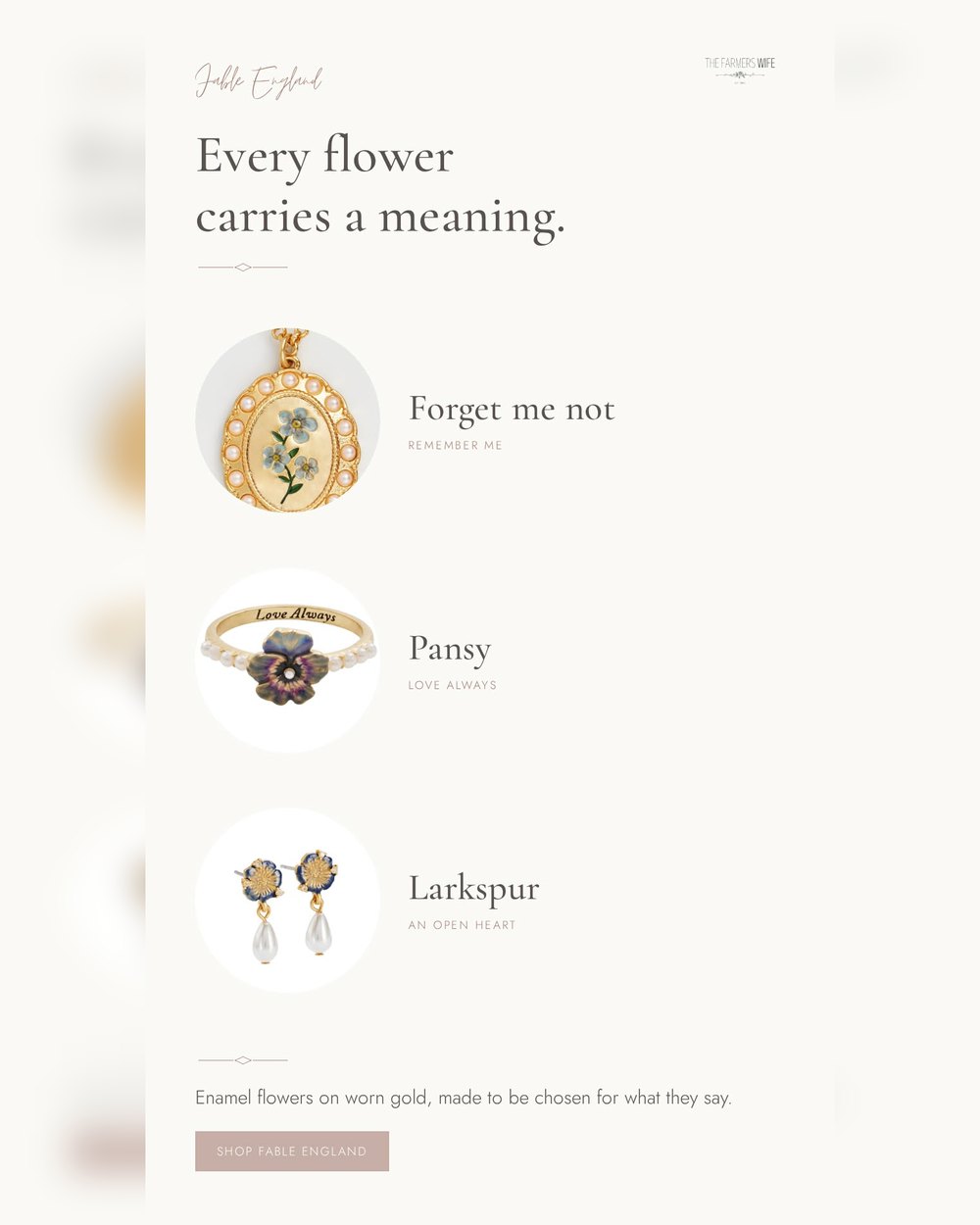
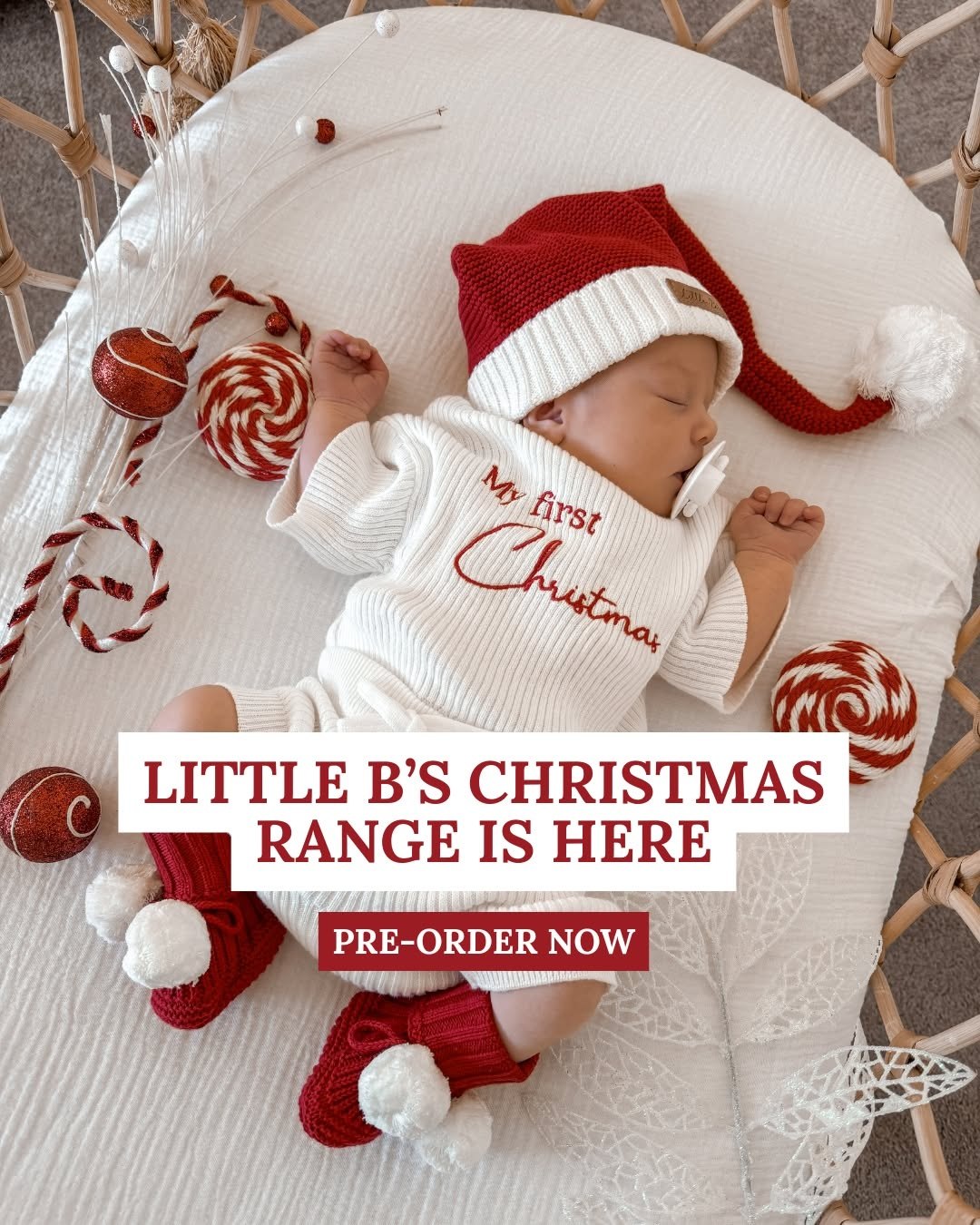
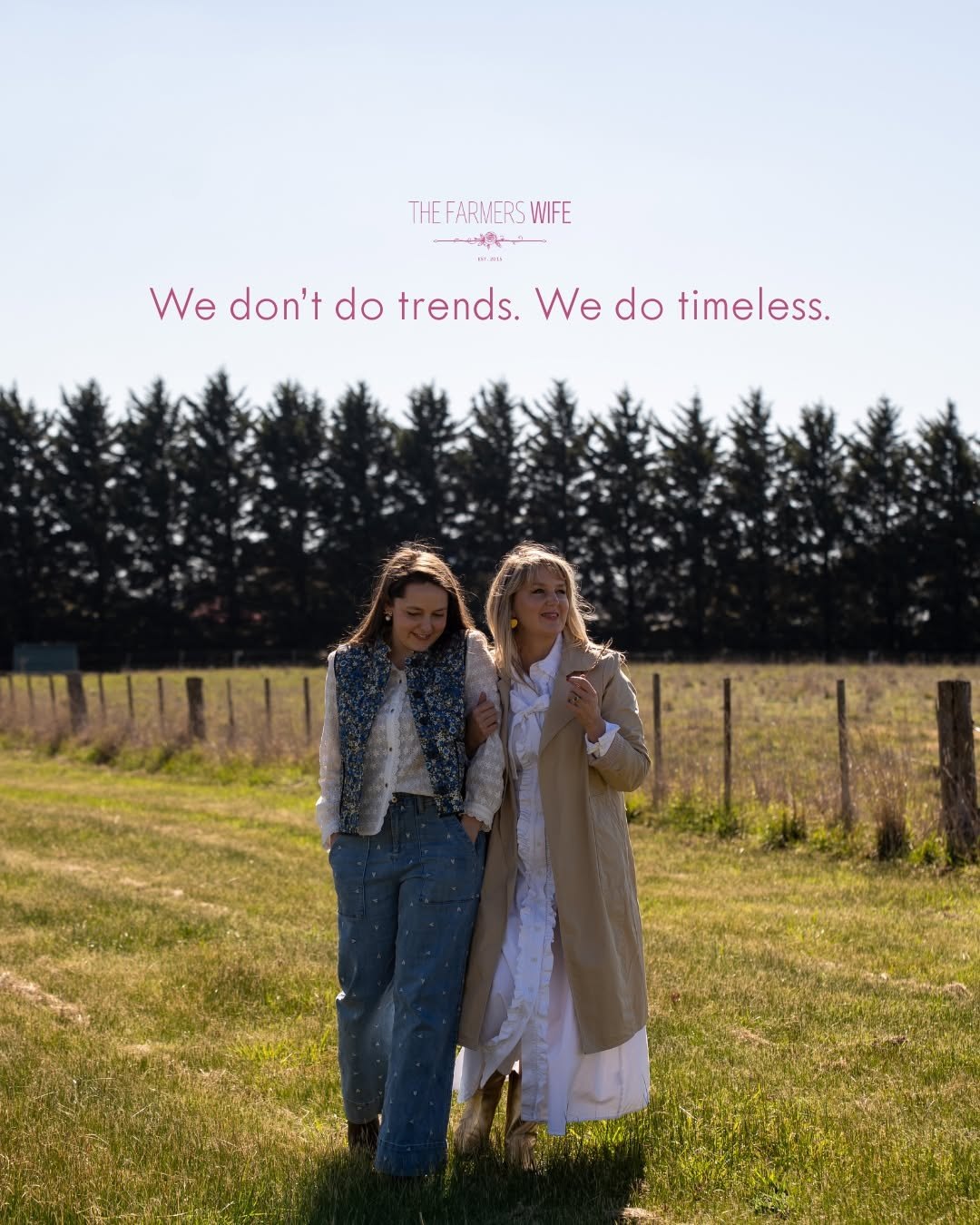
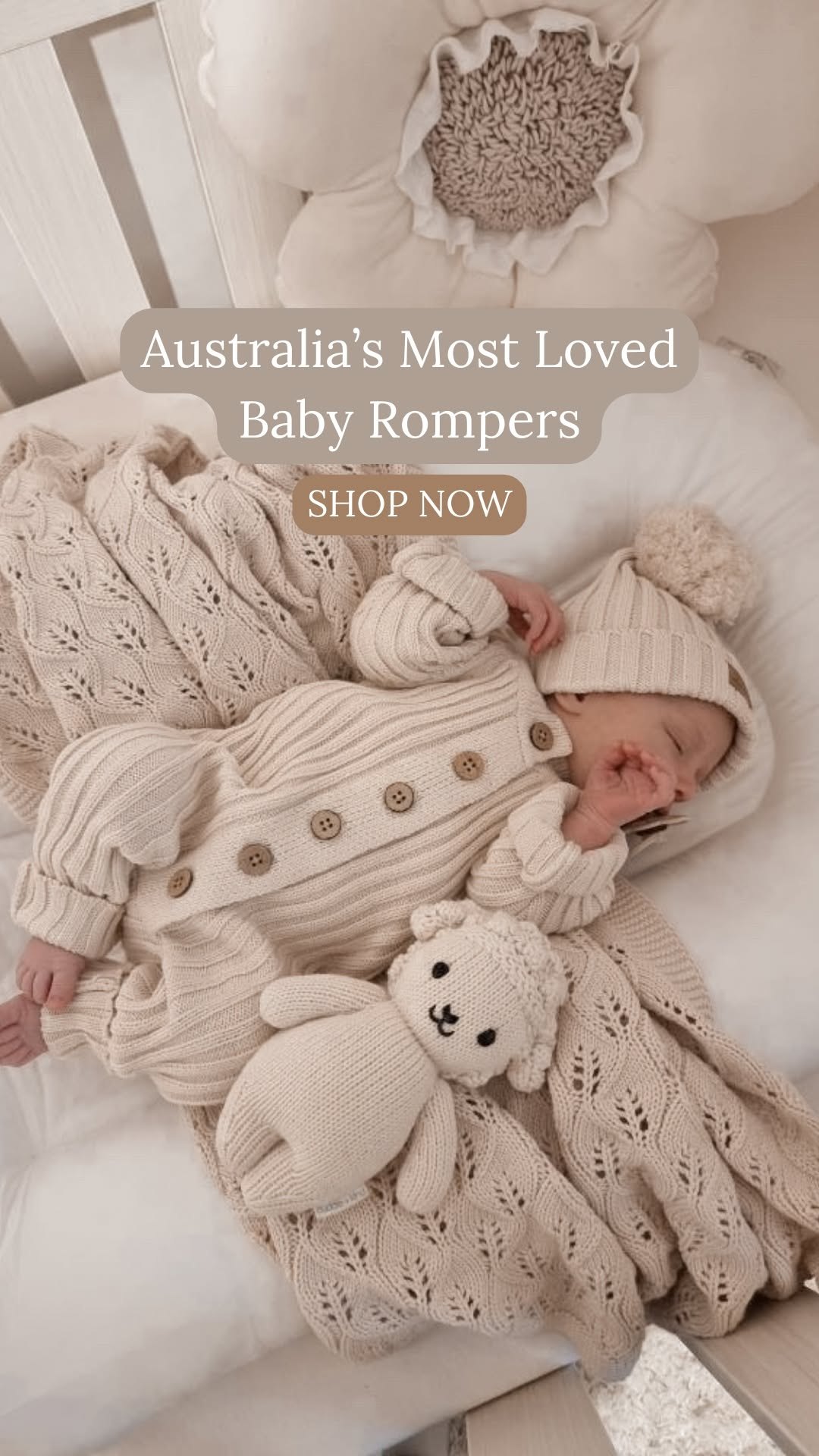
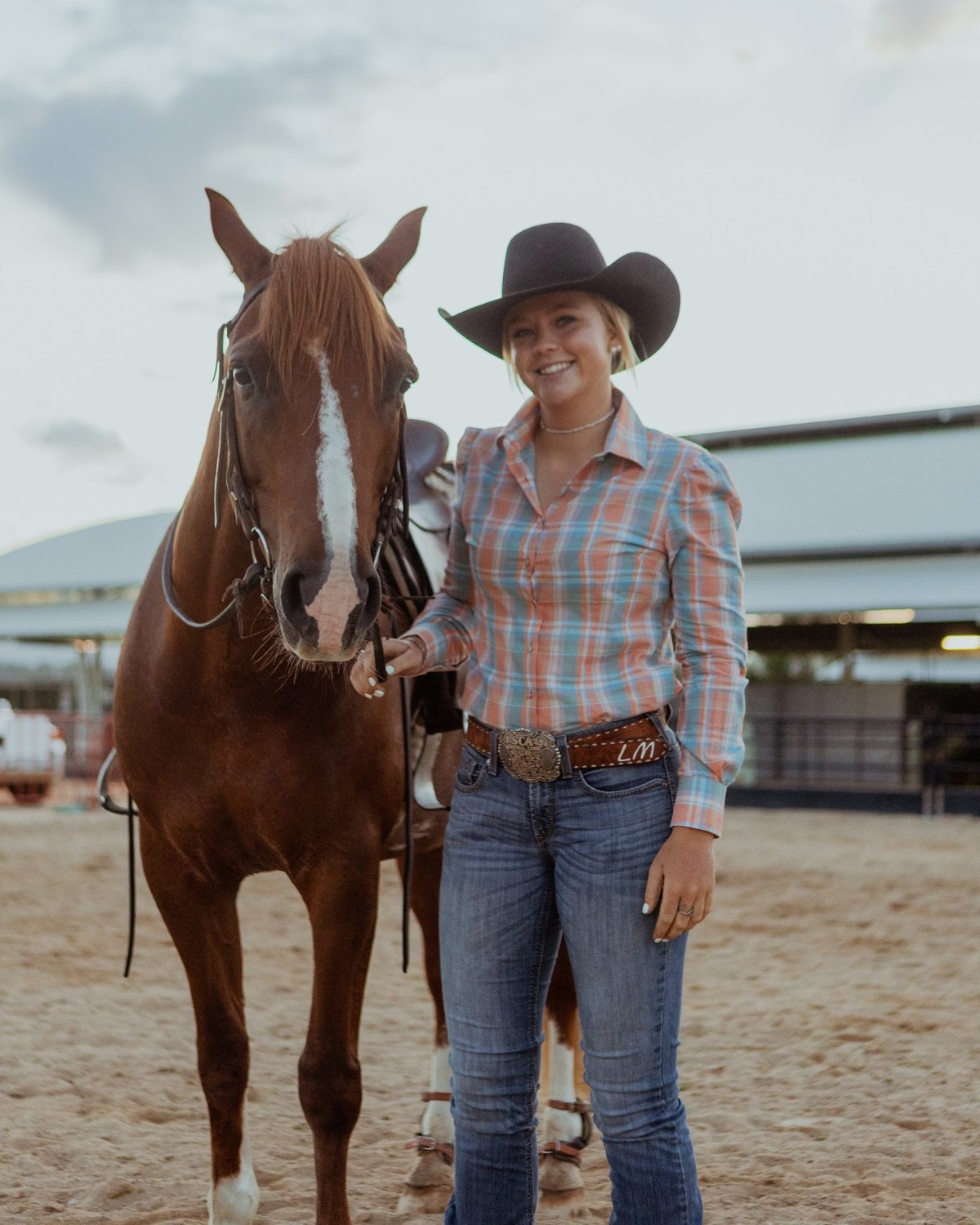
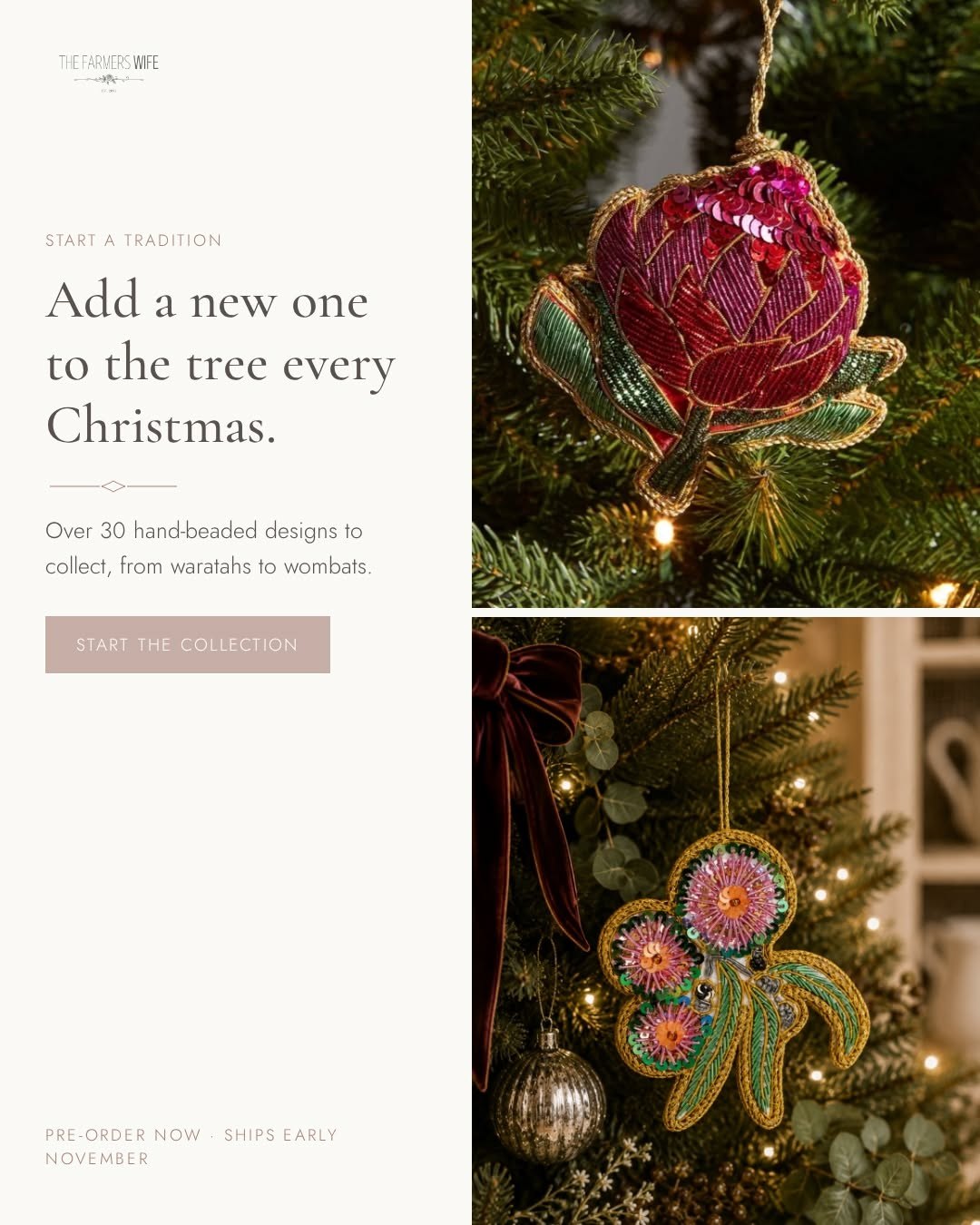
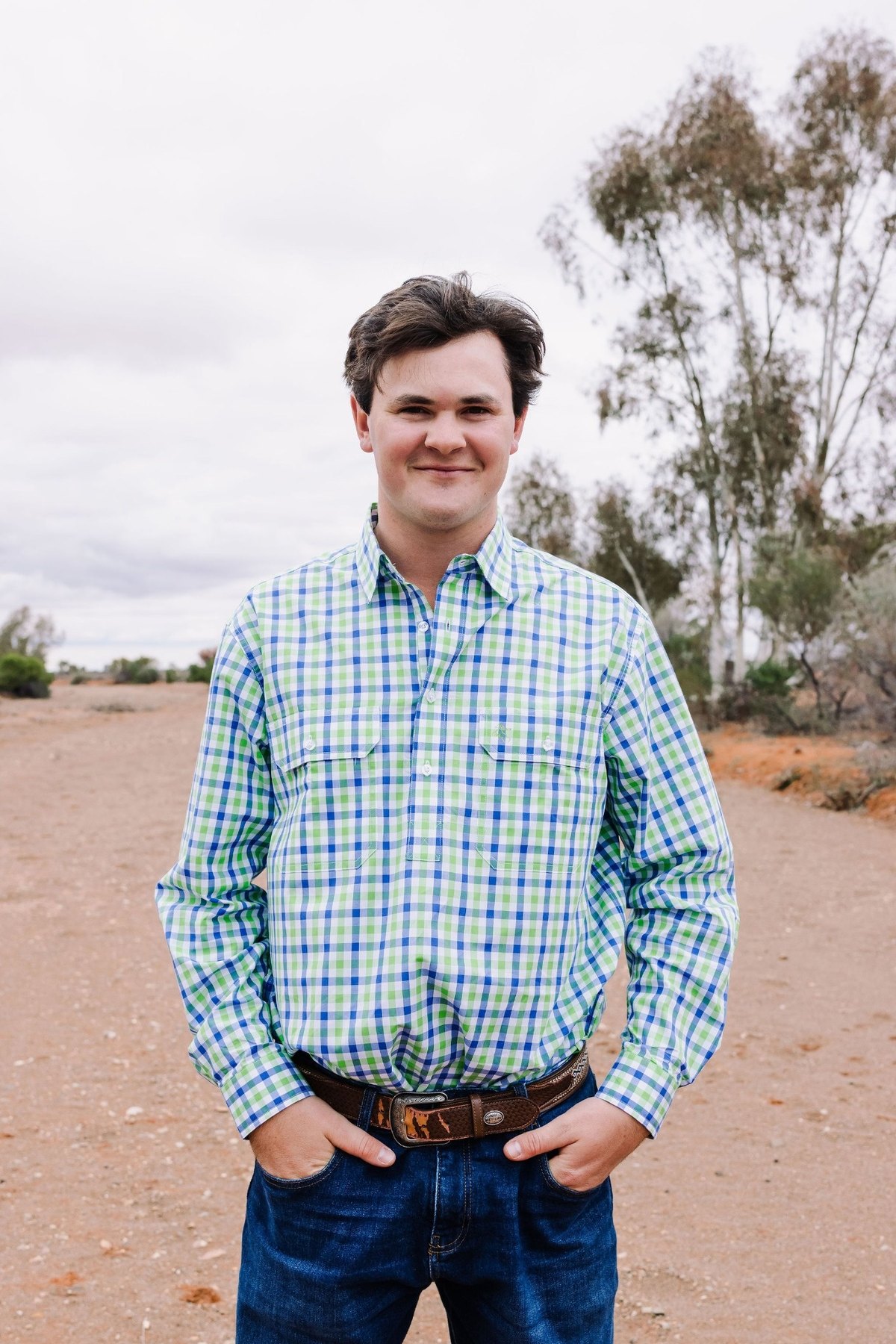
Ads we made and ran. The pack is the same eye applied at volume, which is the only reason it works.
When this is the wrong thing to buy.
Buy a pack when
- You've got good product photography and not enough ads made from it
- Creative volume is the bottleneck, not the thinking
- You want to test whether more creative moves the account before committing a quarter
- There's a launch next month and no time to shoot
Buy a sprint instead when
- Your photography is thin, because scenes can't fix a product shot that doesn't exist
- The account has no history worth mining, so there are no winners to build on yet
- You need video as well as static
- You want a raw bank and a framework your team keeps using after we're gone
Straight answers.
Will it look like AI?
Not in the way you mean. The thing that gives AI ads away is almost never the model or the room, it's the product: a garment that isn't quite the garment, a label with letters that are nearly right. We don't generate the product, so that failure can't happen.
Can you put my product on a model?
Yes. We can generate the model, and your real product photography stays on them, unaltered. Fit, fabric and colour come from your own photograph, so what the customer sees is what arrives.
What do you need from us?
Read-only access to your Meta account, your product photography, and your logo and fonts. The account access matters: without it we're designing off a brief, which is the thing that makes AI creative look like AI creative. If you have no ad history yet we build the picture from your category and your competitors instead, and we'll say so up front.
How long does it take?
A pack is a matter of days rather than weeks, because nothing has to be scheduled, shot or shipped. The exact turnaround goes in the quote.
Do we own them?
Yes, outright and in perpetuity, same as everything else we make. No usage window and no licence to renew.
Is this instead of the sprint?
For most brands, no. A sprint buys angles, a shoot day, a raw bank and a framework your team keeps using. This buys ads. If creative volume is the only gap, this fills it. If the thinking underneath is the gap, it won't.
Send us what you've got.
Your product photography and the account you'd run these in. We'll tell you what we could build from it, which pack size fits, and what it would cost. If the photography isn't strong enough yet, we'll tell you that too.