We bring creative strategy and commercial discipline to the same account. Here are selected results from the brands we've worked with, with the comparison period and context behind each one.
Over a decade of ad spend managed across fashion, beauty and lifestyle. 11 businesses scaled past $5 million in yearly revenue.
A closer look at three accounts, showing the changes in revenue, orders and media spend.
FURTHER®
The Farmer’s Wife · Multi brand fashion retail
We combined catalogue advertising with founder-led videos filmed in store. Revenue, orders and reported media efficiency increased across the comparison period.
Last six months against the six before.
Revenue
+0%▲
Orders
+0%▲
Media efficiency
+0%▲
Source: historical account reporting
We go further.
FURTHER®
Zero Ice · Consumer product · AU, US, UK
We built the creative library around founder-led content and expanded into three markets. Higher spend brought more revenue and orders, while return on spend declined.
One month against the same month a year earlier.
Revenue
+0%▲
Orders
+0%▲
Spend scaled
16x▲
Source: historical account reporting
We go further.
FURTHER®
Black Colt Clothing · Women's fashion
We reduced the budget while orders and reported media efficiency increased. Revenue remained flat. The contribution profit figure uses a separate monthly comparison.
A quarter against the quarter before.
Media efficiency
+0%▲
Spend
-0%▼
Orders
+0%▲
Contribution profit
+0%▲
September against August
Source: historical account reporting
We go further.
Account by account
What changed for each brand.
Each account started in a different place. Read the results alongside the comparison period, then explore the case study for the work behind them.
Zero Ice
Consumer product · AU, US, UK
One month against the same month a year earlier
+807%
Revenue
+642%
Orders
16x
Spend scaled
We built the creative library around founder-led content and expanded into three markets. Higher spend brought more revenue and orders, while return on spend declined.
We combined catalogue advertising with founder-led videos filmed in store. Revenue, orders and reported media efficiency increased across the comparison period.
We rebuilt the testing structure around two creative angles and filmed with the founder at home. The revenue comparison is against the account’s low point.
We developed creative around confidence and styling while increasing spend. Read the figures with their reporting window: year to date compared with the full previous year.
We focused the creative on founder-led content and product engineering. The contribution profit change and reported acquisition MER below compare September with August.
We reduced the budget while orders and reported media efficiency increased. Revenue remained flat. The contribution profit figure uses a separate monthly comparison.
These selected historical results use different comparison windows, shown with each account. Revenue, orders and media spend movements come from Meta platform reporting. Monthly contribution and reported acquisition MER use separate account reports and their own periods. Results are specific to each account and its context.
How we measure
Growth needs more than a revenue number.
We look at acquisition costs and contribution alongside revenue, so spending decisions reflect what the business can support.
Blended MER
Total store revenue divided by total paid-media spend across all channels.
Shows revenue in relation to the whole media budget. It includes returning customers, so we read it alongside new customer results.
Contribution after media
Revenue less product costs, variable fulfilment costs and paid-media spend, using the costs available in the report.
Shows what remains before fixed overheads. It isn't net profit; missing costs must be stated.
New customer acquisition cost
Total paid-media spend divided by new customers acquired over the same period.
Helps us assess what the business pays to acquire a customer, alongside margin and repeat purchases.
Customer value over time
Customer contribution over a defined period, compared with acquisition cost.
Helps us assess repeat purchasing and how long acquisition costs take to recover.
Spending decisions
The right target starts with your margins.
A useful target depends on what you sell, what it costs to fulfil an order and how customers buy again. A single efficiency ratio can't tell us whether every business is ready to scale.
Before increasing spend
Review product margin, fulfilment costs and stock availability. Check what a new customer costs and whether the business can fund the next stage.
As the account changes
Compare acquisition cost and contribution over consistent periods. Make missing costs and assumptions visible before drawing a conclusion.
We use those numbers to decide what to test, what to keep and where the budget needs to change.
The work
The creative behind the campaigns.
We develop creative around the reasons customers choose a brand, then test different ways to communicate them. Explore the formats and ideas in the work below.
The examples show our creative approach. Performance figures are presented separately in the account results above.
Video
Founder stories, demonstrations and customer perspectives
Scroll for more →
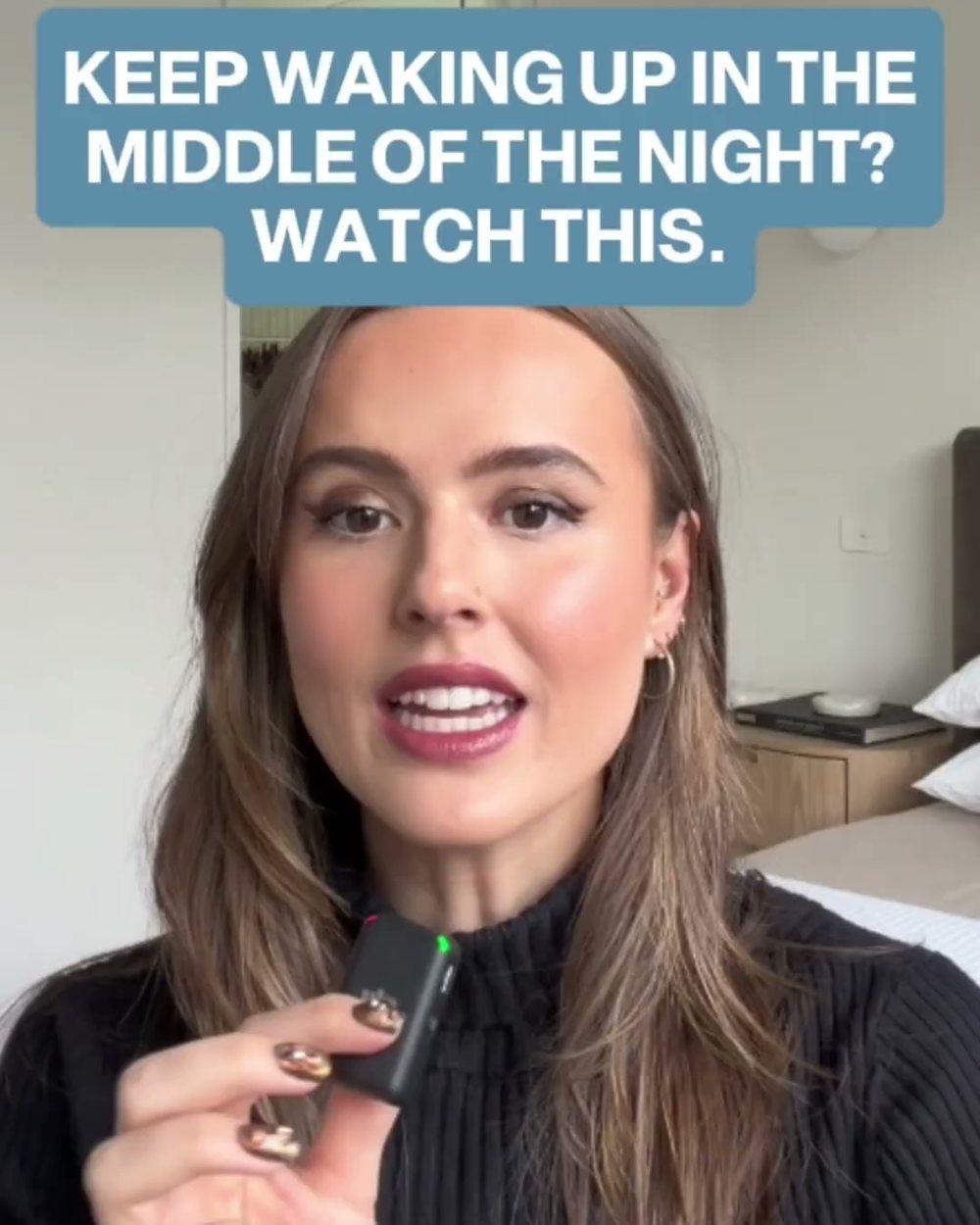
Hook card to camera
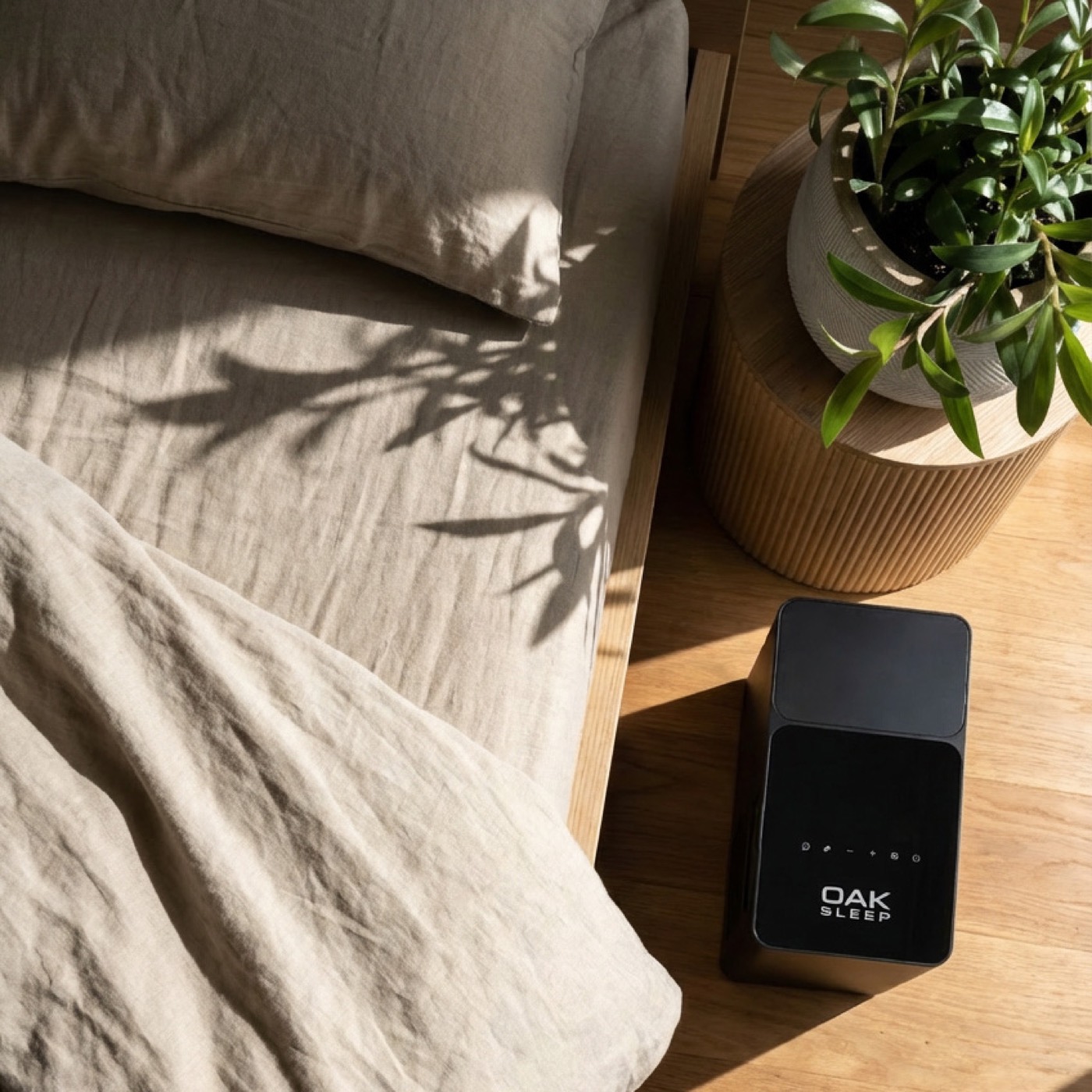
Oak Sleep
A stated problem on screen for two seconds, then a face answering it.
Creative intent. Introduce a product question through an on-screen hook and a person speaking to camera.
Expert to camera
Oak Sleep
Credential on screen in the first second, no product until the halfway point.
Creative intent. Present the speaker’s perspective with their on-screen credential.
Problem demonstration
Oak Sleep
The problem shown happening rather than described. Shot in the room it happens in.
Creative intent. Show the product context through a demonstration.
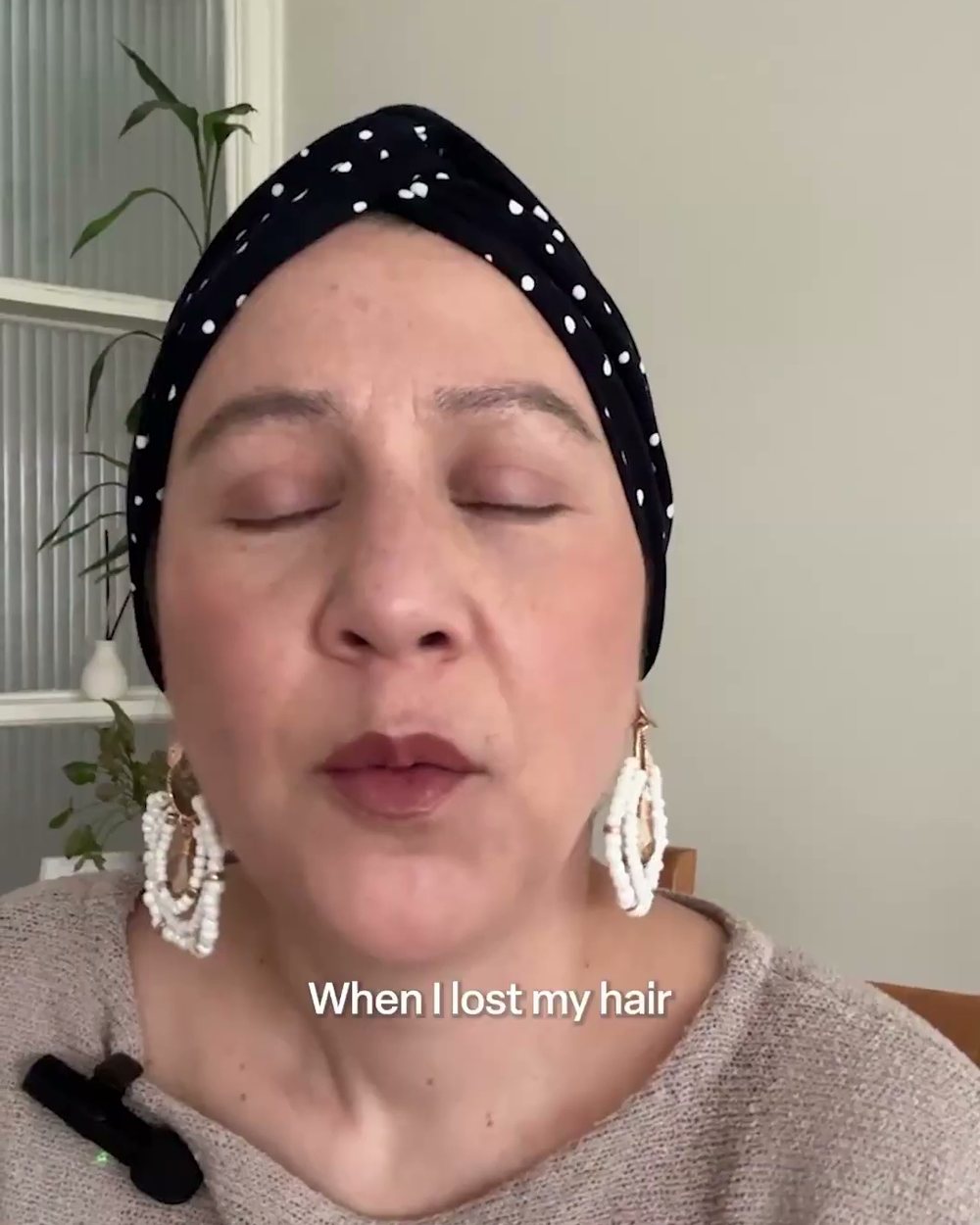
Customer story
Bonita Shop
One person, one take, no script. The product arrives late and almost in passing.
Creative intent. Introduce the product through a customer’s personal perspective.
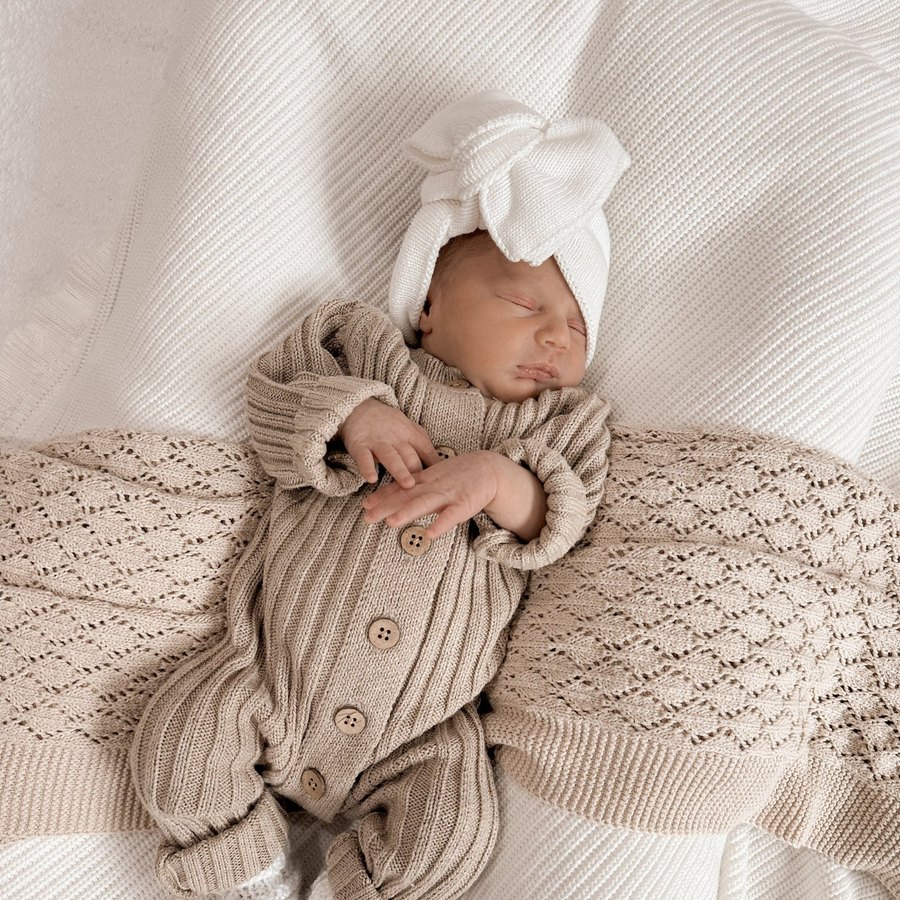
Product in hand
Little B's Nursery
Close, warm, hands only. Texture doing the work that copy can't.
Creative intent. Help viewers inspect the product texture and detail.
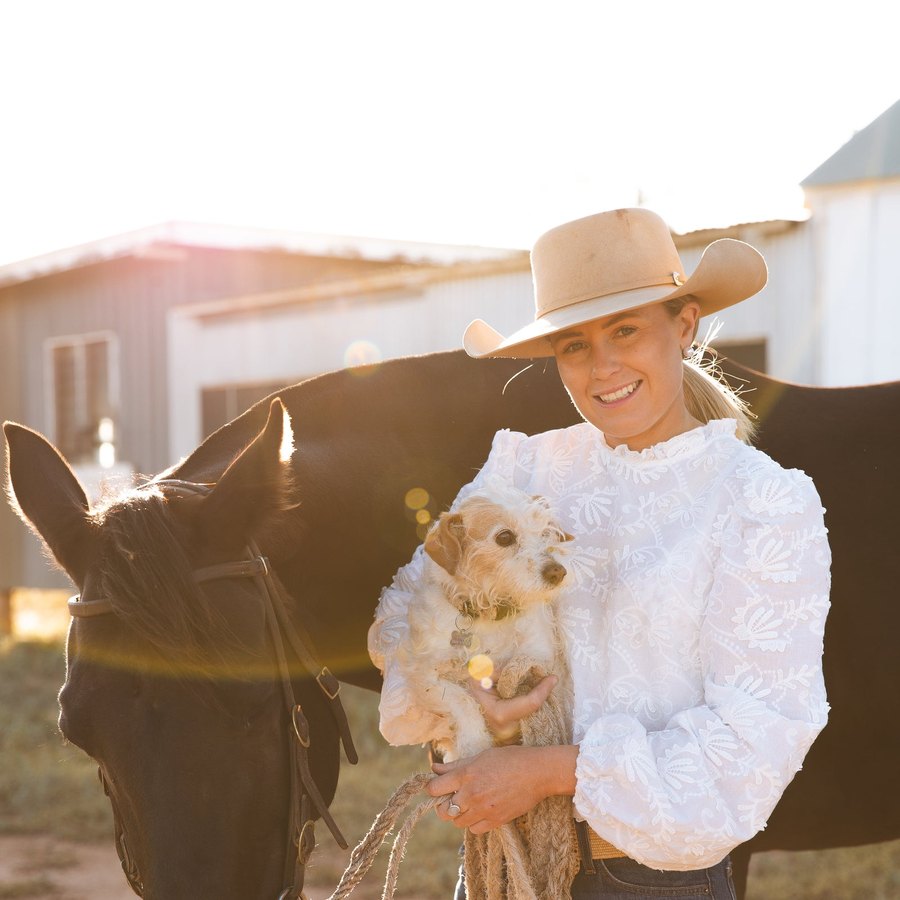
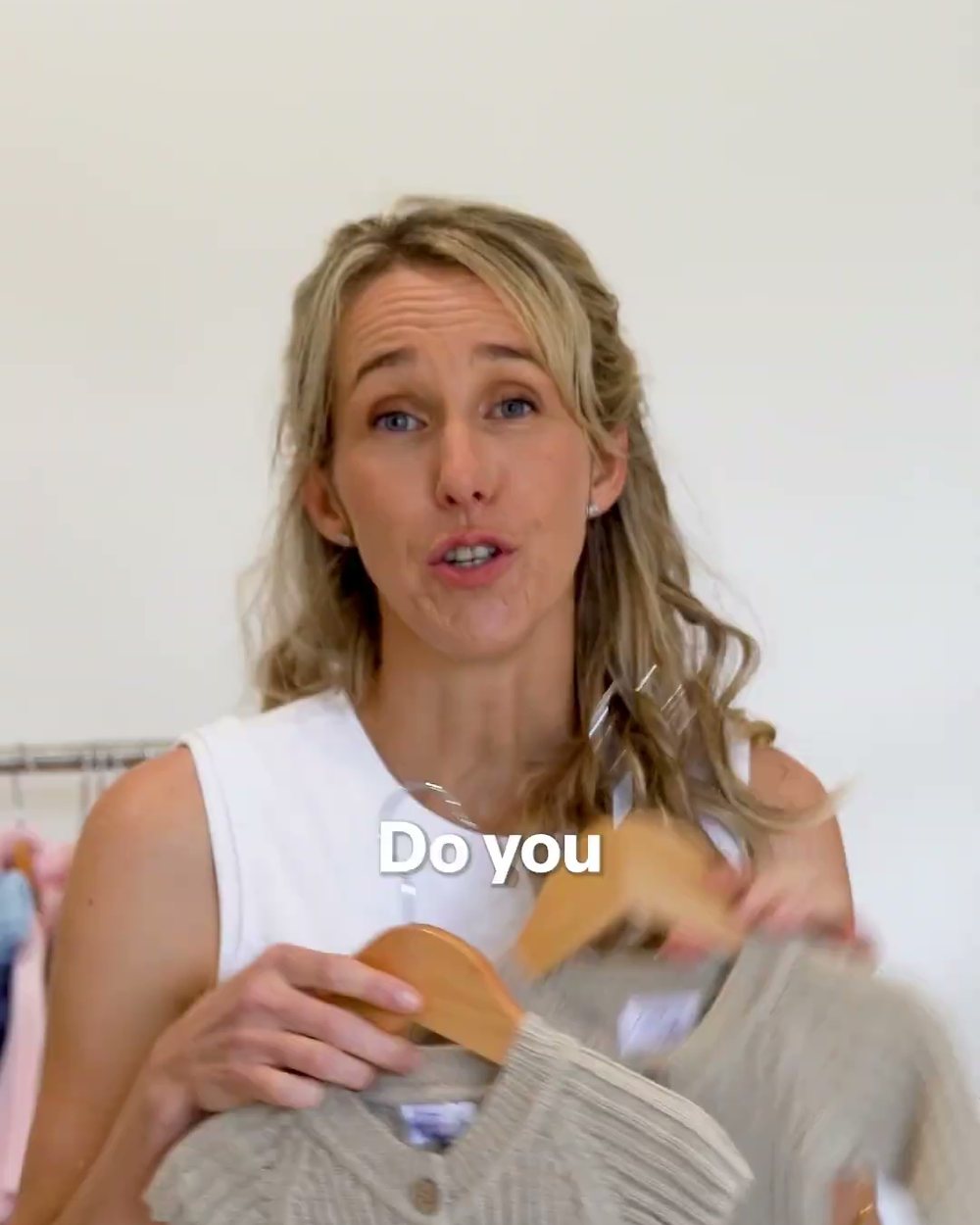
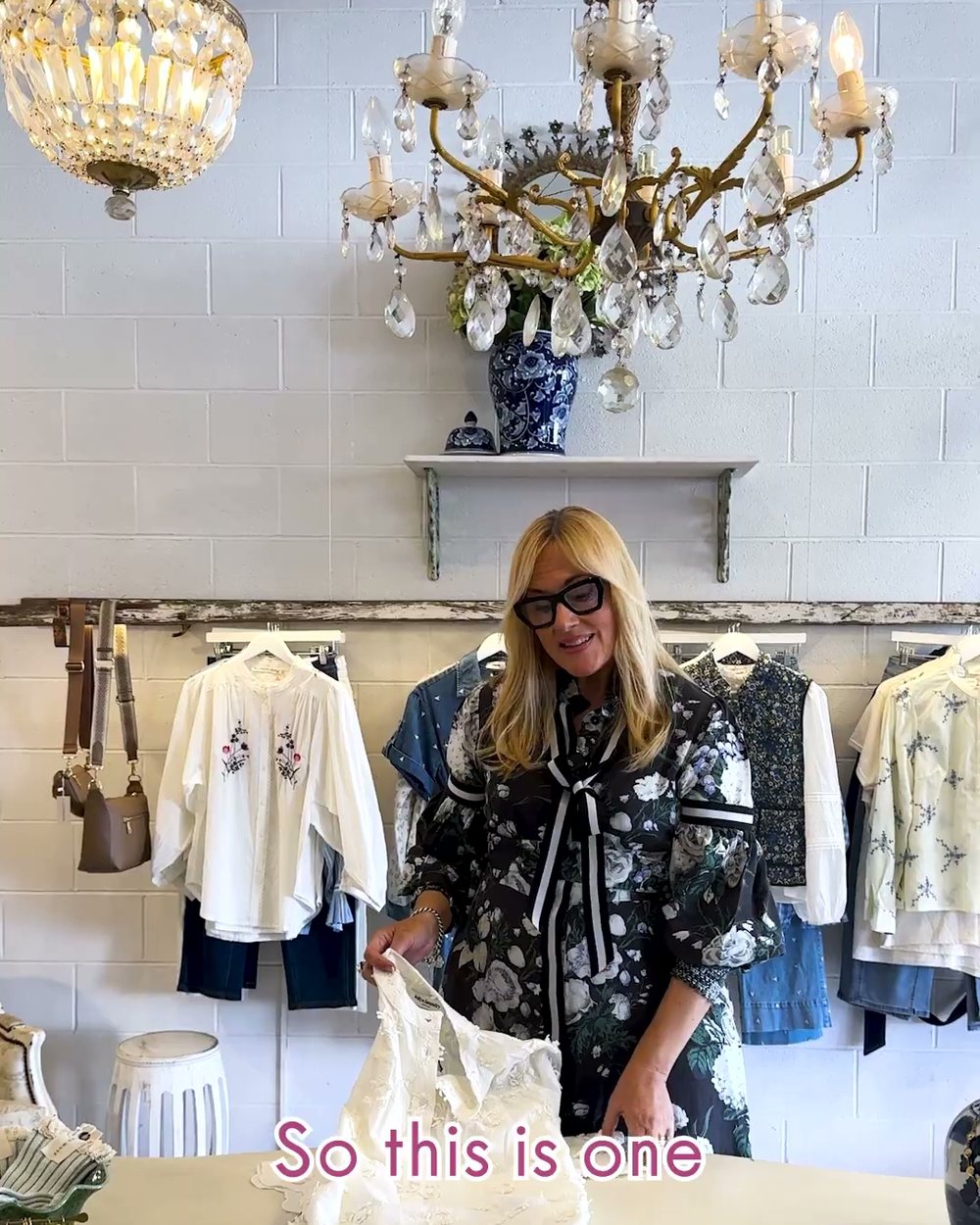
Founder in store
The Farmer's Wife
Walked and talked through the real shop, unscripted, caption led.
Creative intent. Connect the range with the founder and the shop.
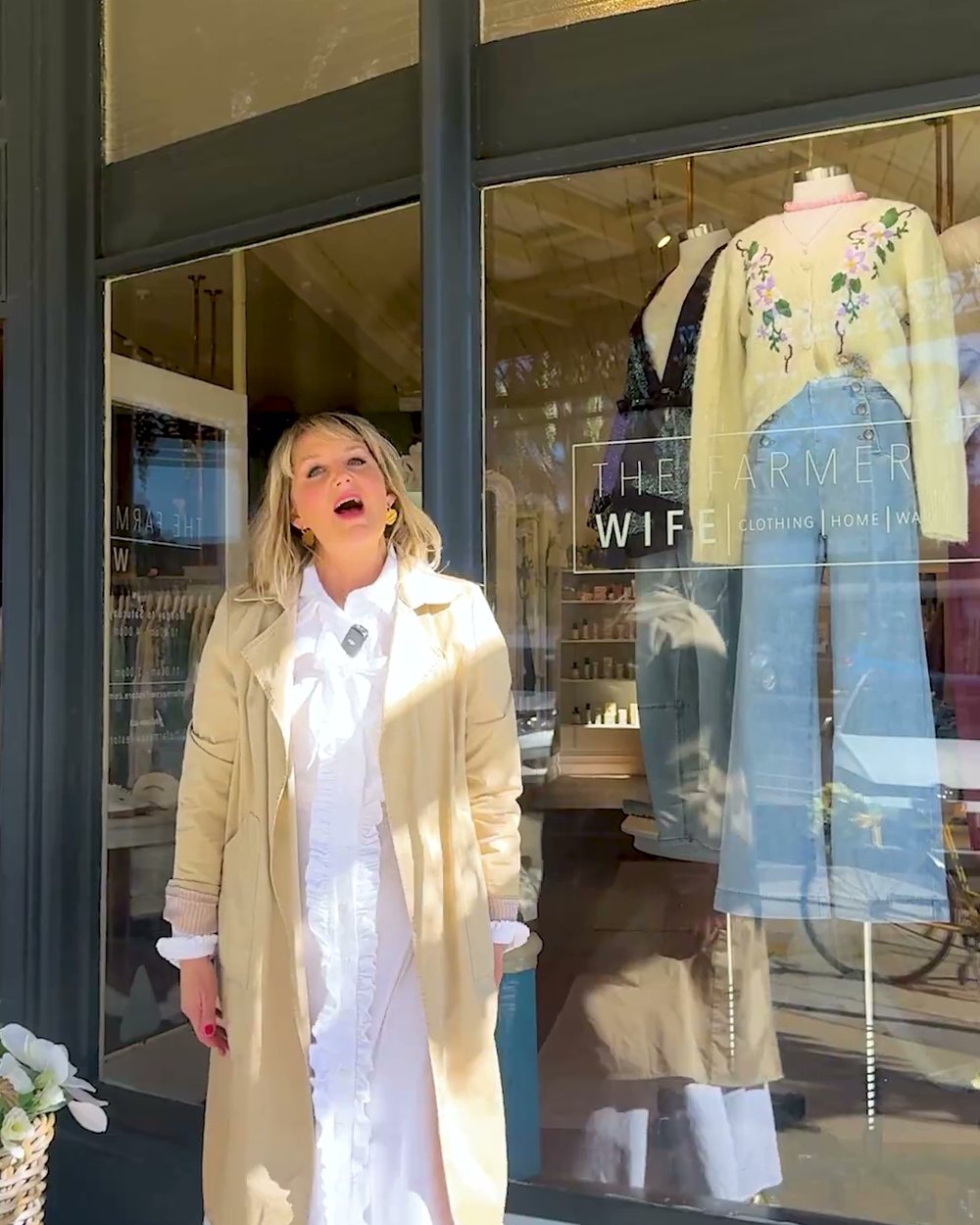
Styling walk
The Farmer's Wife
One outfit, moving, outside the shopfront. No voiceover.
Creative intent. Show how the outfit looks in motion.
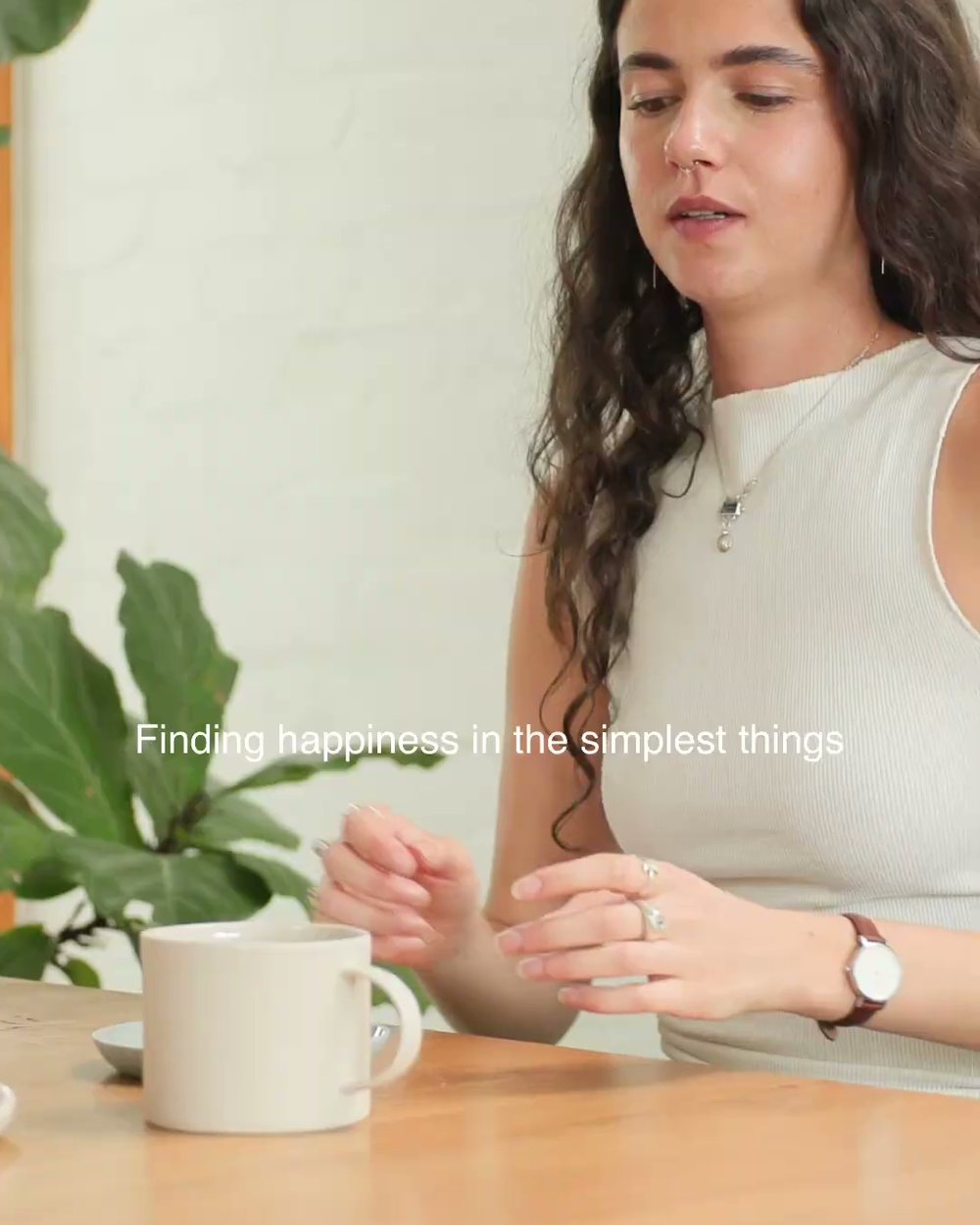
In context, hosted
Marmoset Found
The product used for its actual job, by a person, in a real kitchen.
Creative intent. Show the product in a hosting setting.
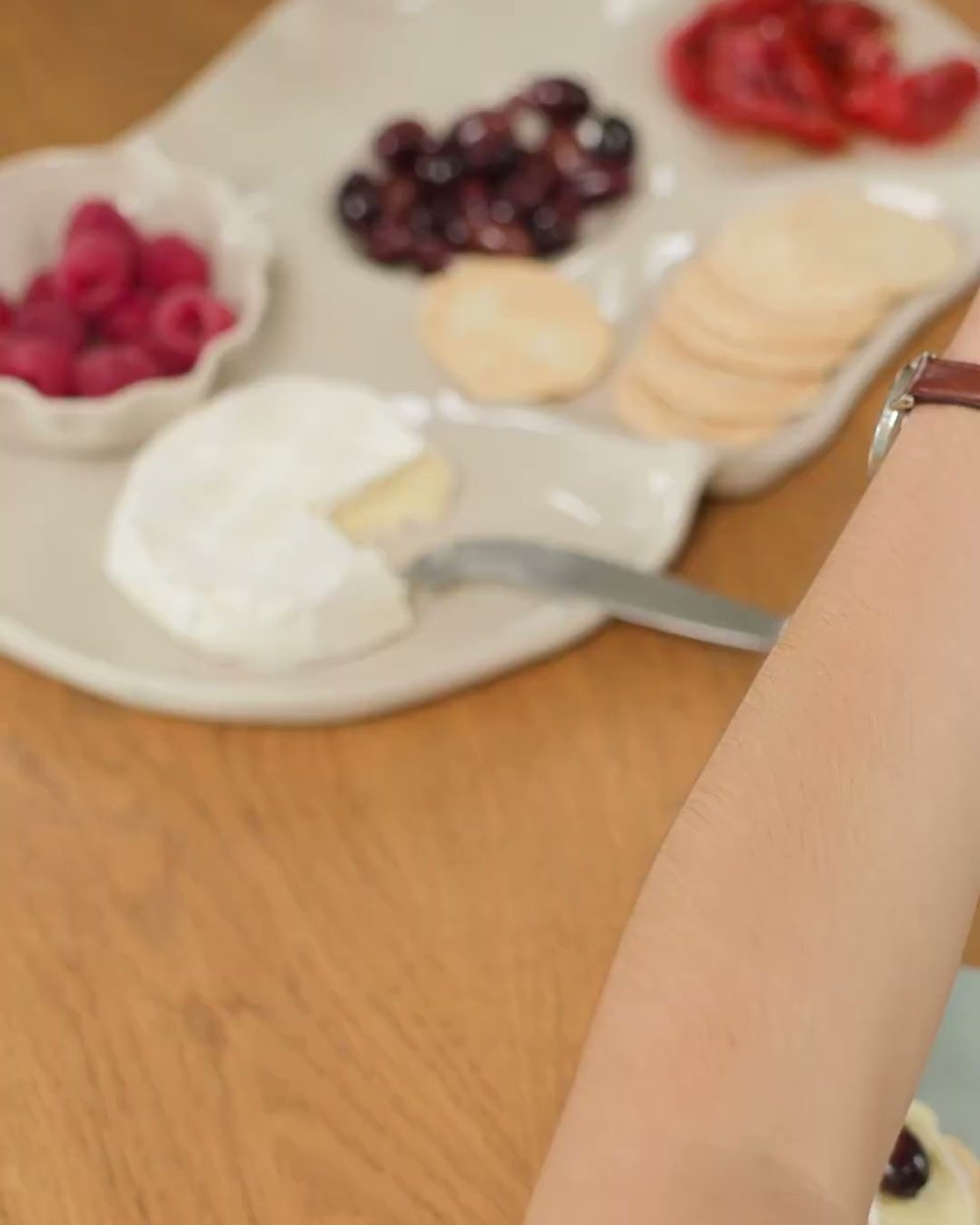
Overhead, product in use
Marmoset Found
Locked off from above, hands entering frame, no faces at all.
Creative intent. Make the product and its use clear from above.
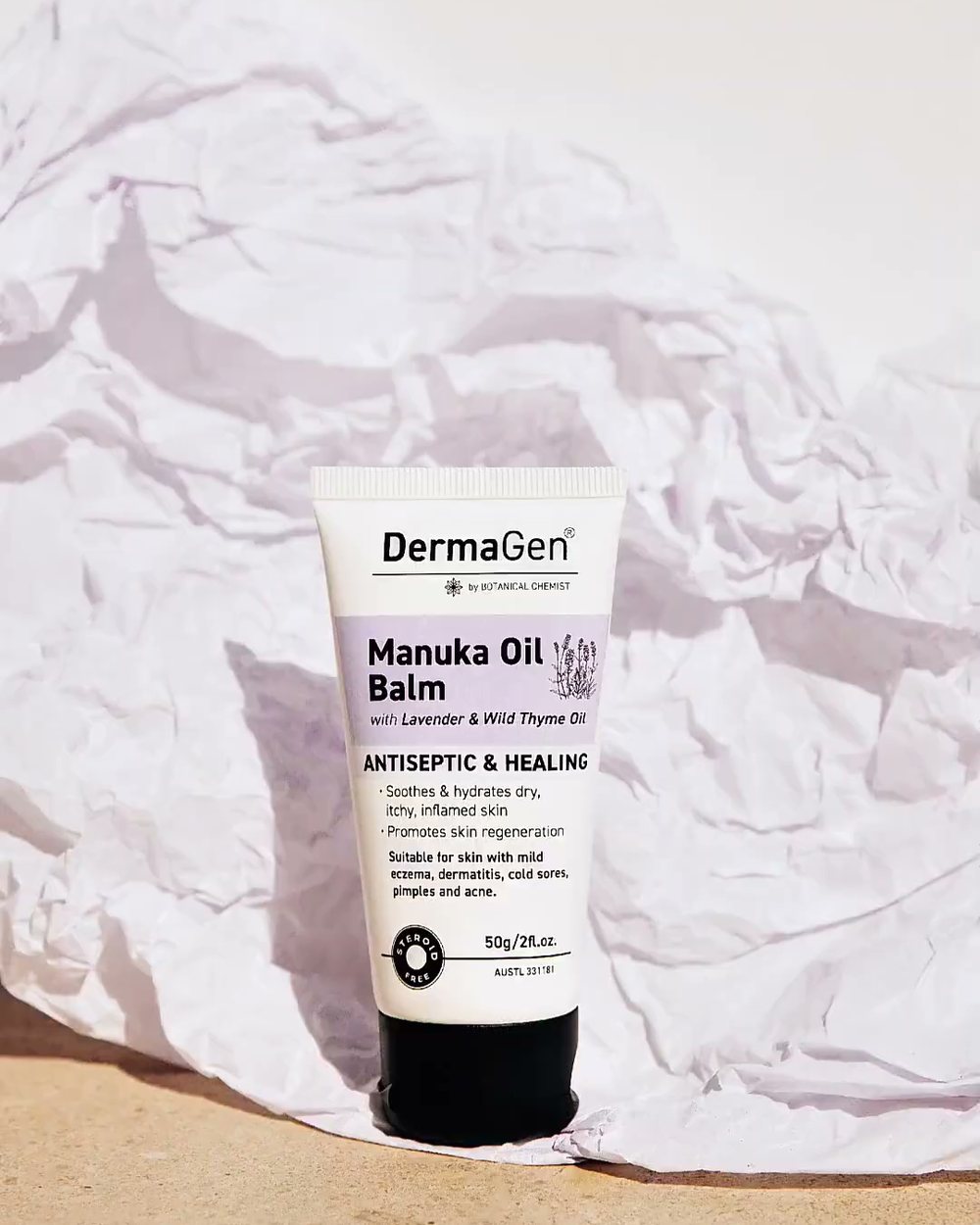
Product demonstration
DermaGen
No person. Texture, application and the pack, shot clean.
Creative intent. Show the product, texture and application.
Static
Clear ideas, made for a quick read
Scroll for more →
Problem hook
DermaGen
A question in the headline, the product held in a real hand underneath it.
Creative intent. Introduce a product question with a clear headline.
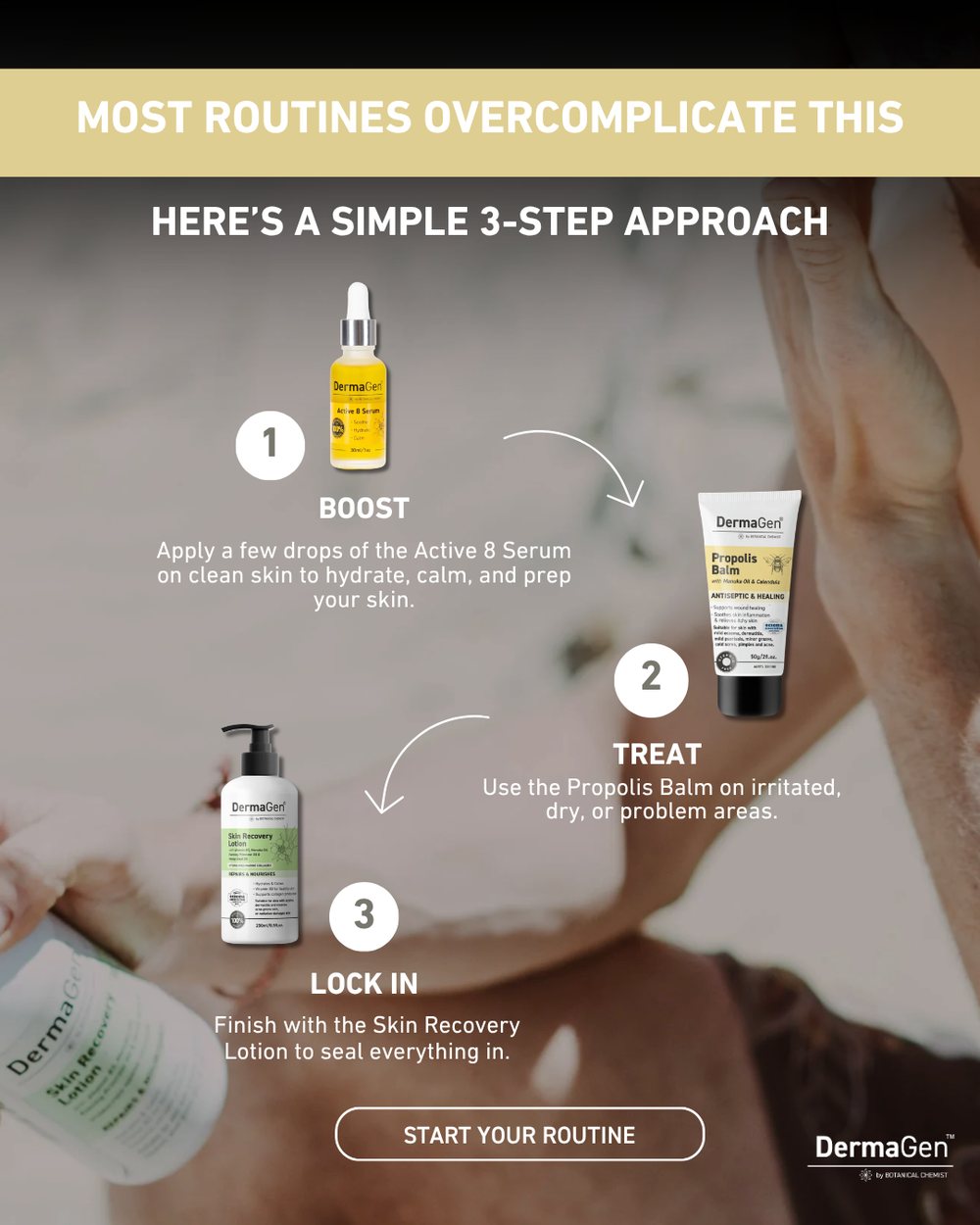
Educational, three step
DermaGen
Numbered, diagrammatic, almost editorial. Teaches before it sells.
Creative intent. Explain the steps in a product routine.
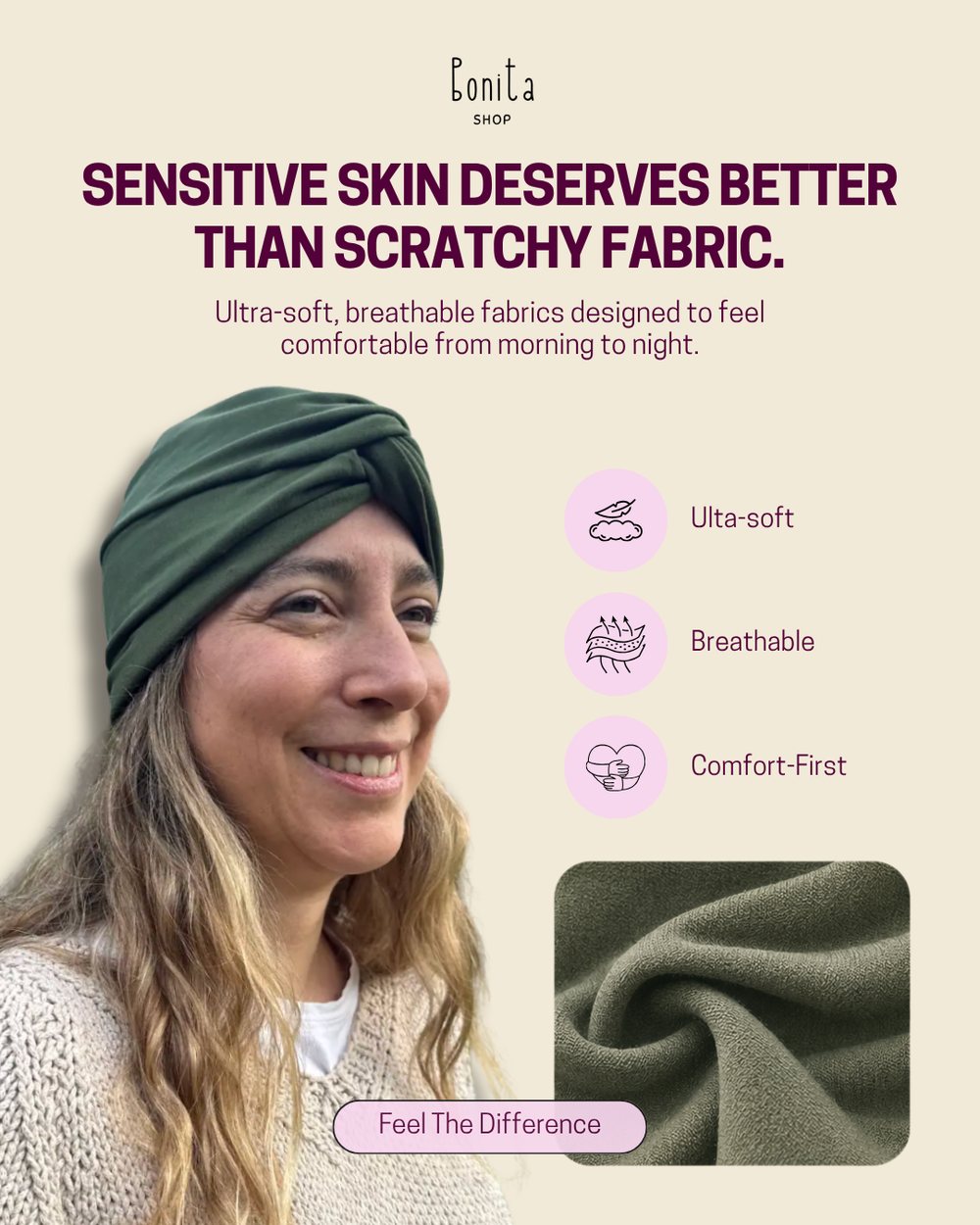
Benefit led, with icons
Bonita Shop
A claim up top, three icons underneath, the fabric shown close.
Creative intent. Make product features and fabric detail easy to compare.
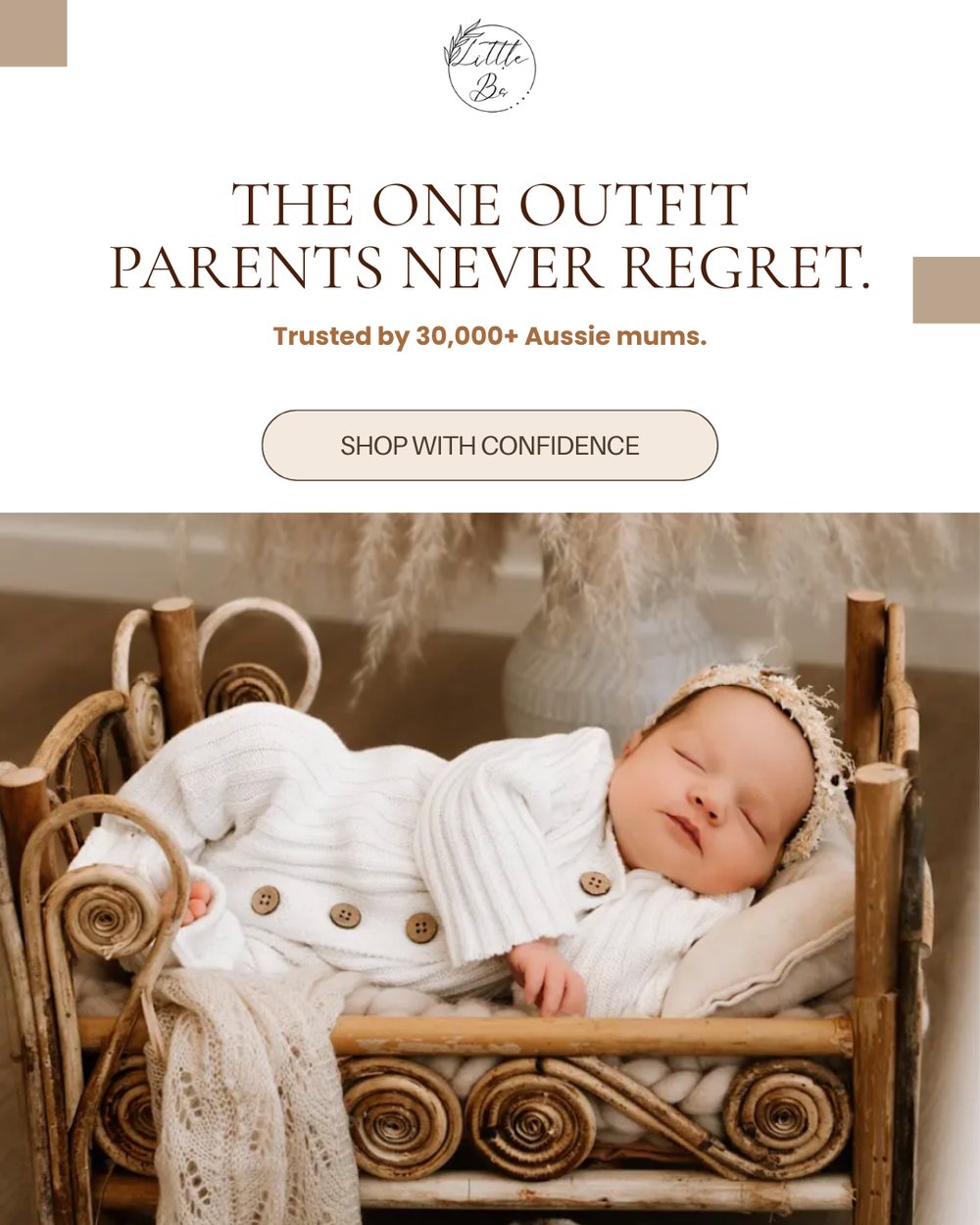
Editorial claim
Little B's Nursery
One sentence, serif, a lot of air, one photograph. Nothing else on it.
Creative intent. Present the range with a considered editorial feel.
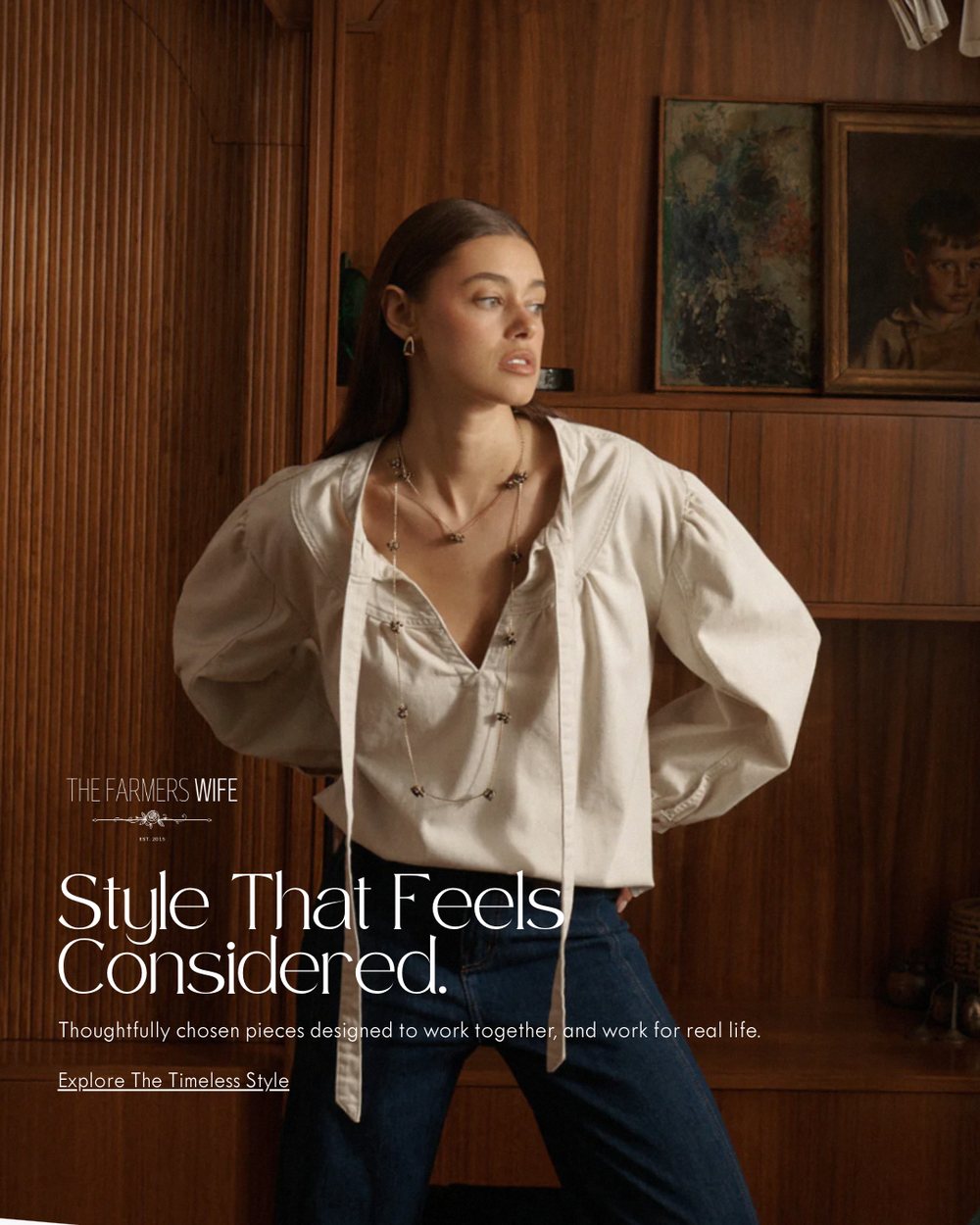
Fashion editorial
The Farmer's Wife
Shot like a lookbook page. The garment is the subject, the copy stays out of the way.
Creative intent. Express the mood and styling of the range.
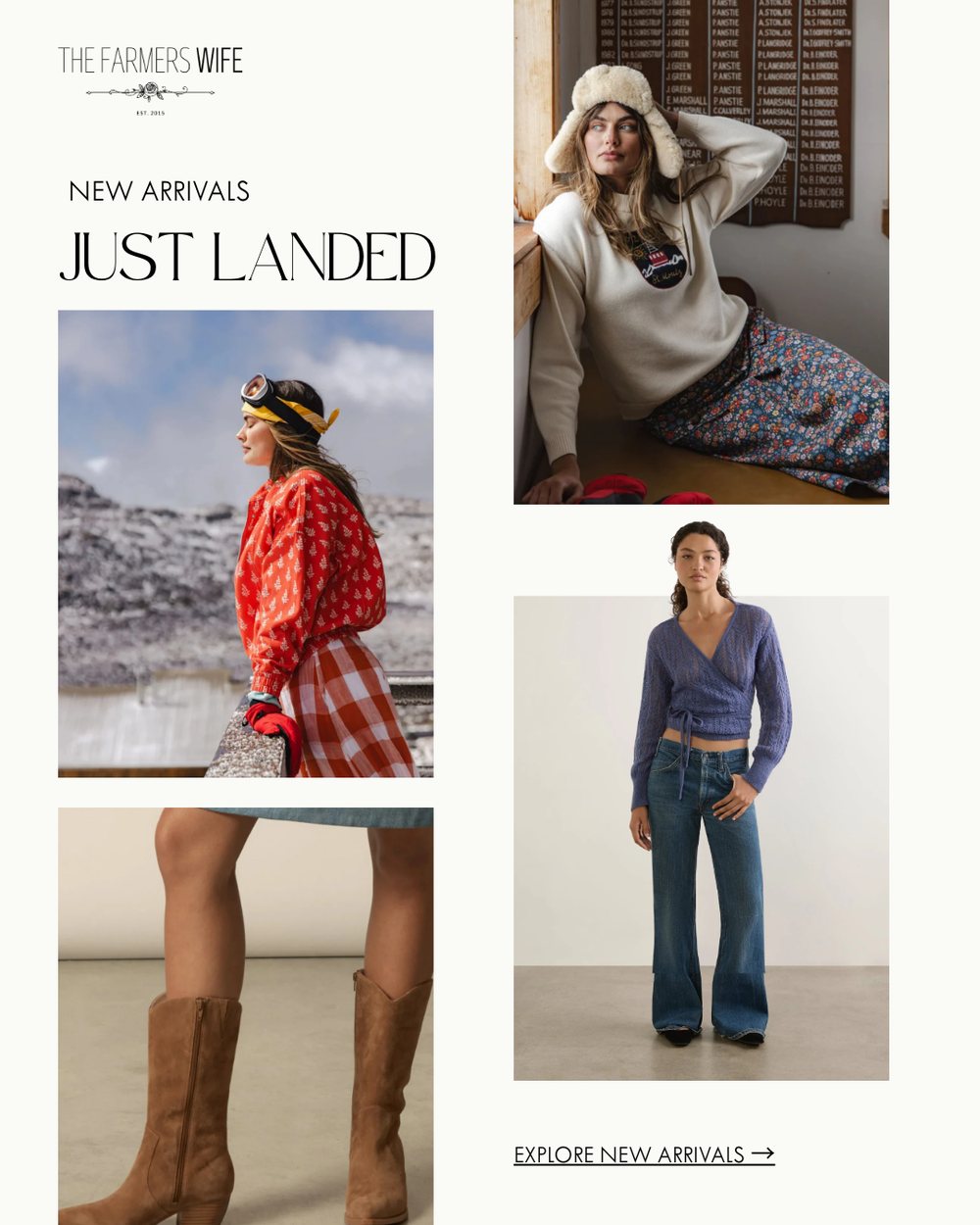
Catalogue grid
The Farmer's Wife
Four products, one frame, new arrivals framing. Deliberately unglamorous.
Creative intent. Make new arrivals easy to browse.
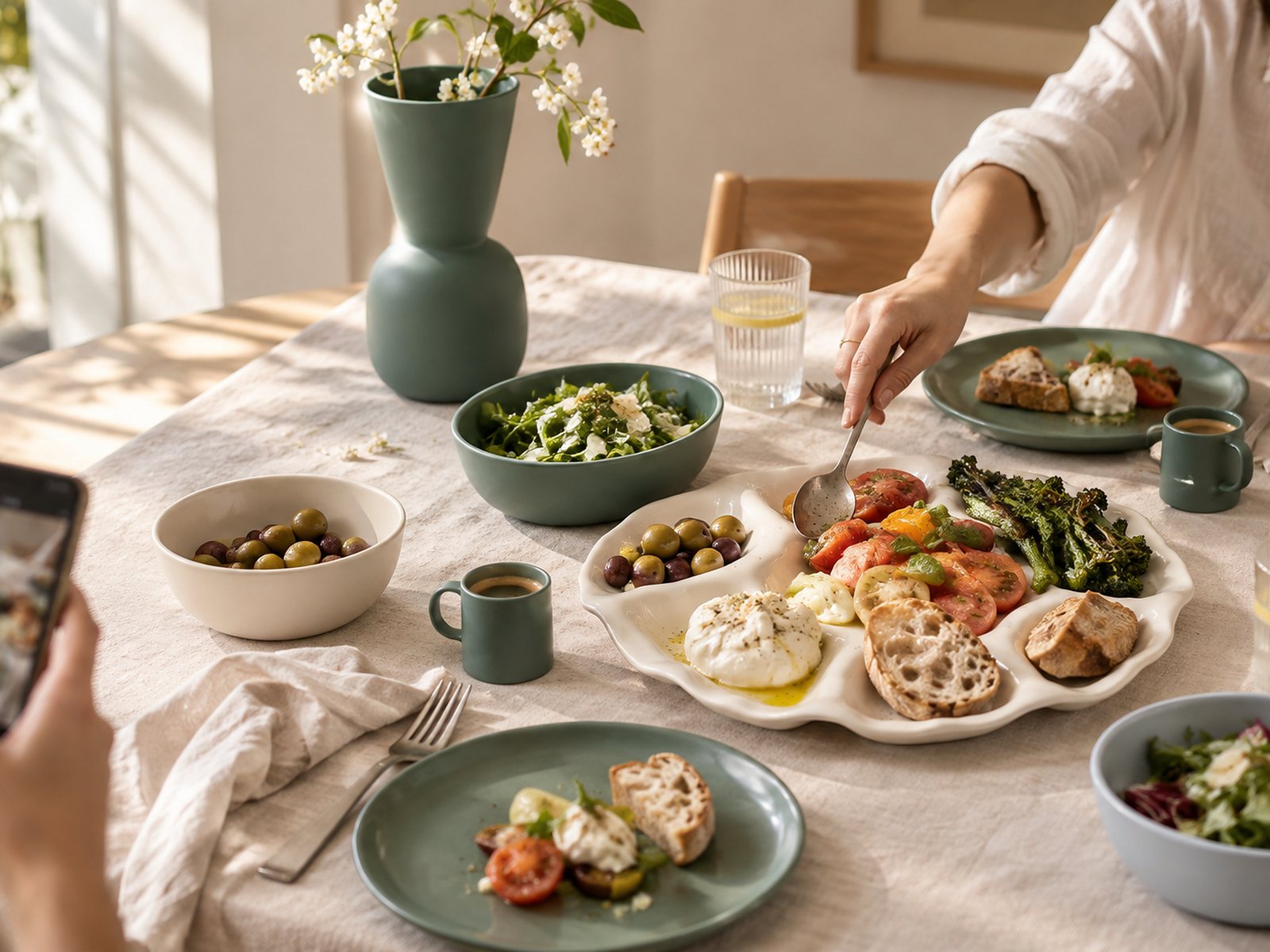
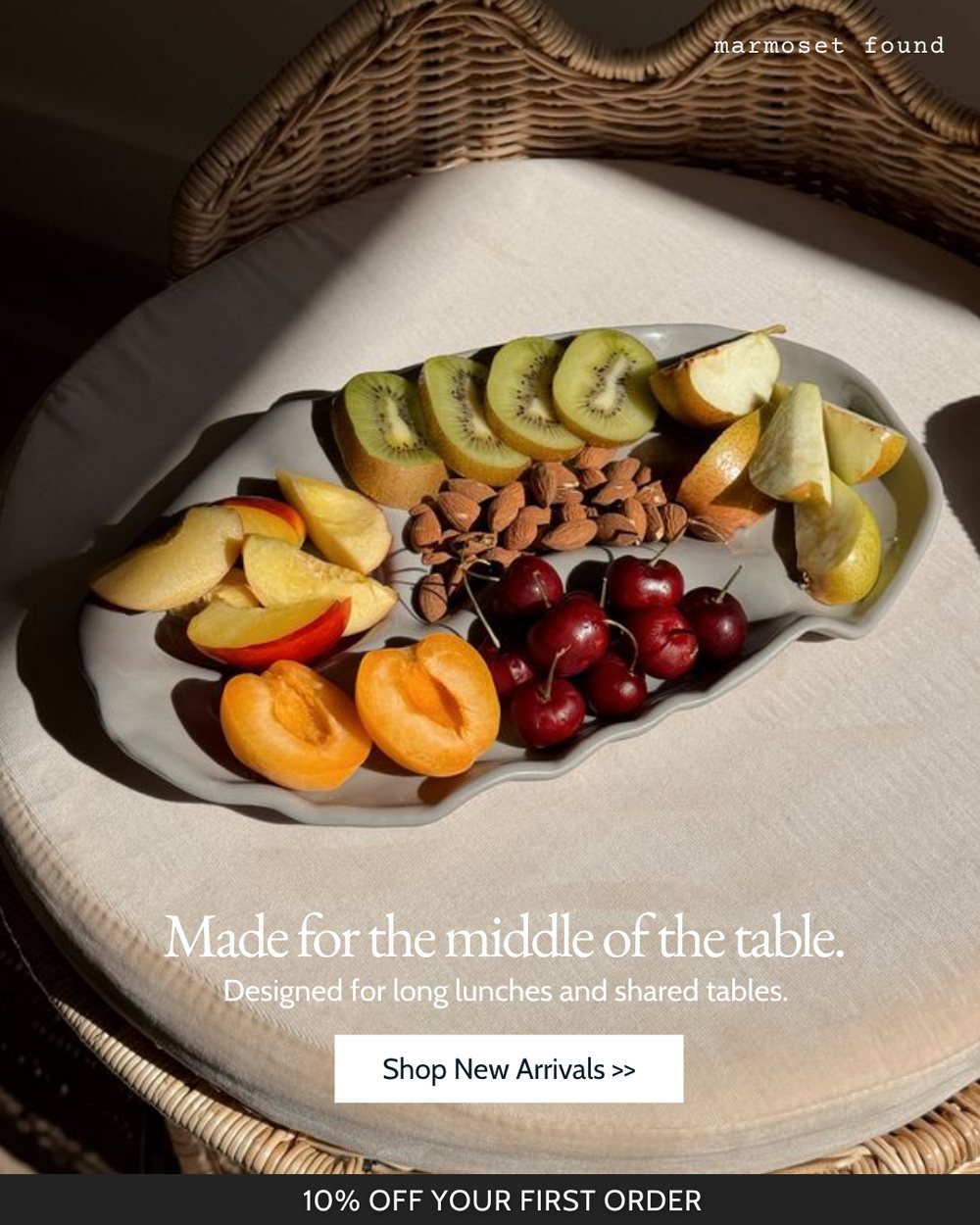
Food styling
Marmoset Found
The ceramic loaded with what it's for, shot warm and from above.
Creative intent. Help viewers picture the ceramics on a table.
Campaign
Product, people and brand photography
Scroll for more →
Brand collaboration campaign
Mr Cuff
Shot on location in the city for the ANZ collaboration. Styled, lit, directed.
Creative intent. Present the brand collaboration in its city setting.
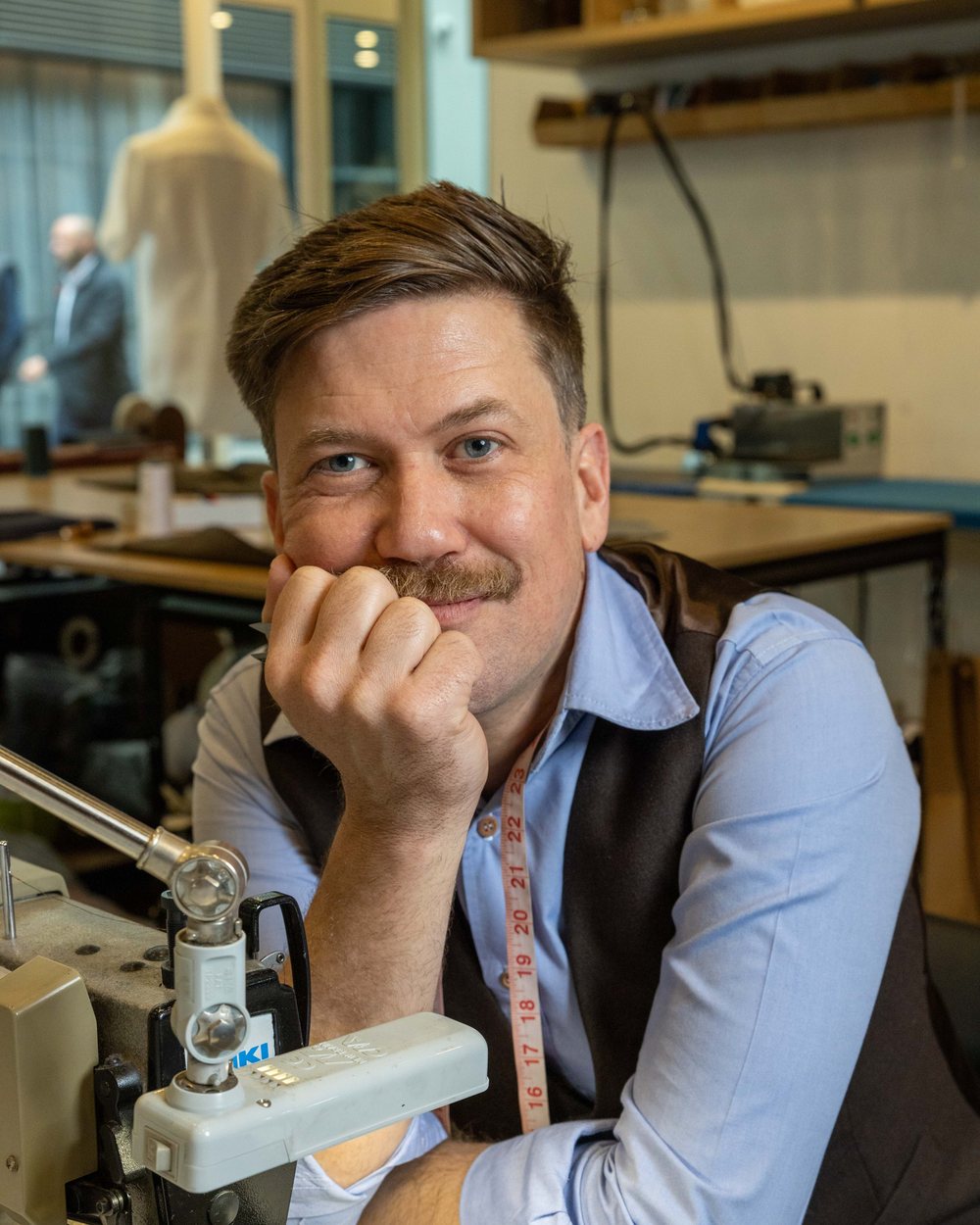
Founder and craft
Mr Cuff
The maker at the machine. Documentary, available light, nothing staged.
Creative intent. Connect the product with the maker and their craft.
Event coverage
Mr Cuff
Melbourne Fashion Week, shot live. Reportage rather than portraiture.
Creative intent. Show the brand in the context of an event.
UGC and organic
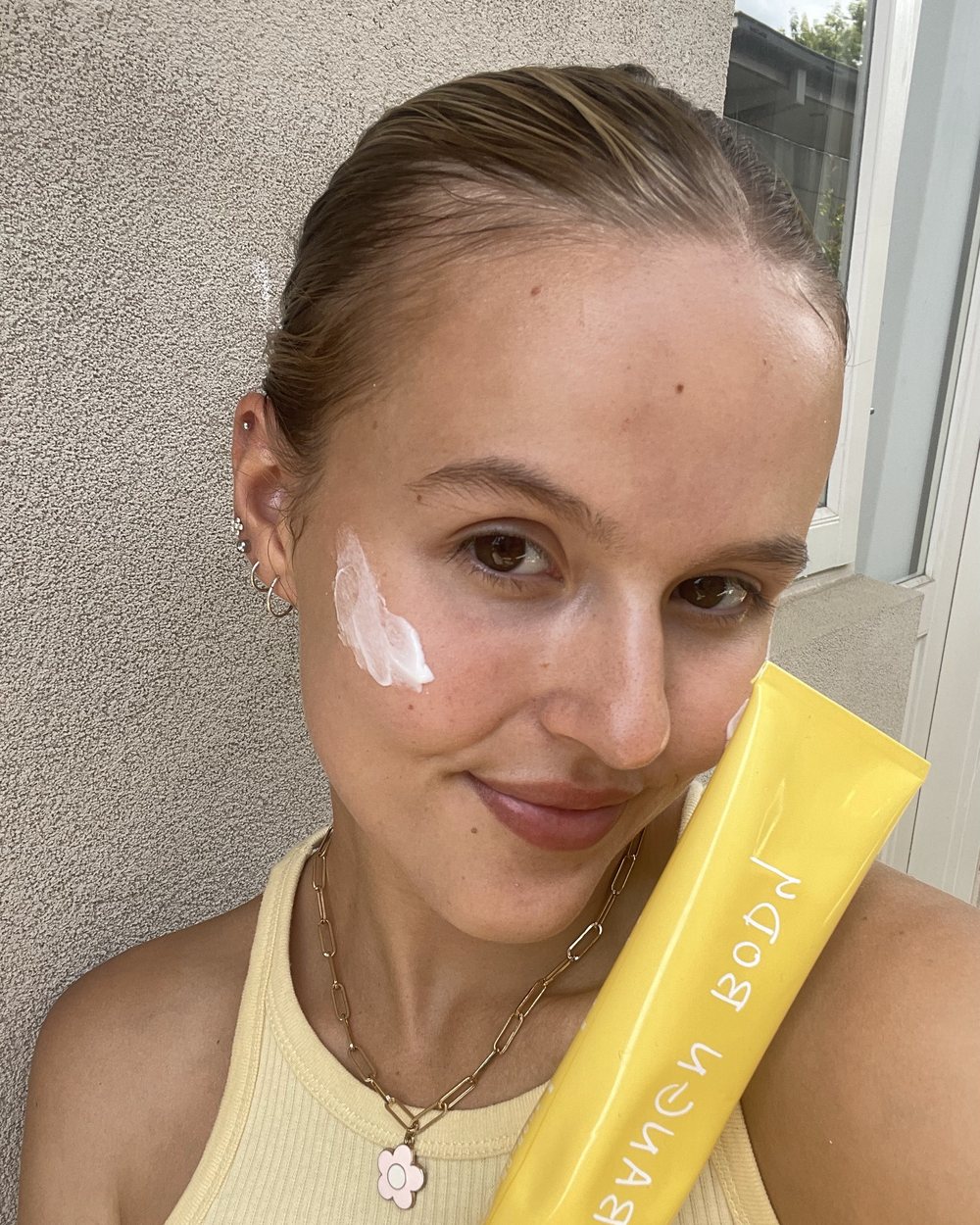
Bangn Body
Phone shot, front camera, product in frame and nothing else produced about it.
Creative intent. Present a personal, phone-shot product perspective.
Product campaign
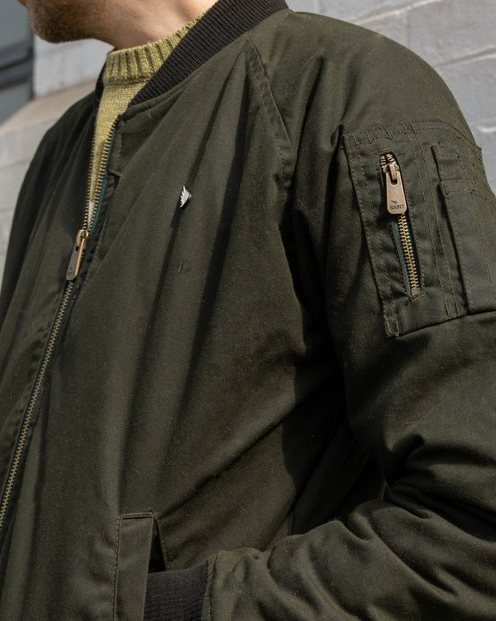
Saint.cc
The garment in the world it was built for. One subject, hard light, real location.
Creative intent. Connect the garment with its intended setting.
Macro detail
Saint.cc
A single seam, a single zip. The shot that answers whether it's actually well made.
Creative intent. Show construction details for closer inspection.
Beauty campaign
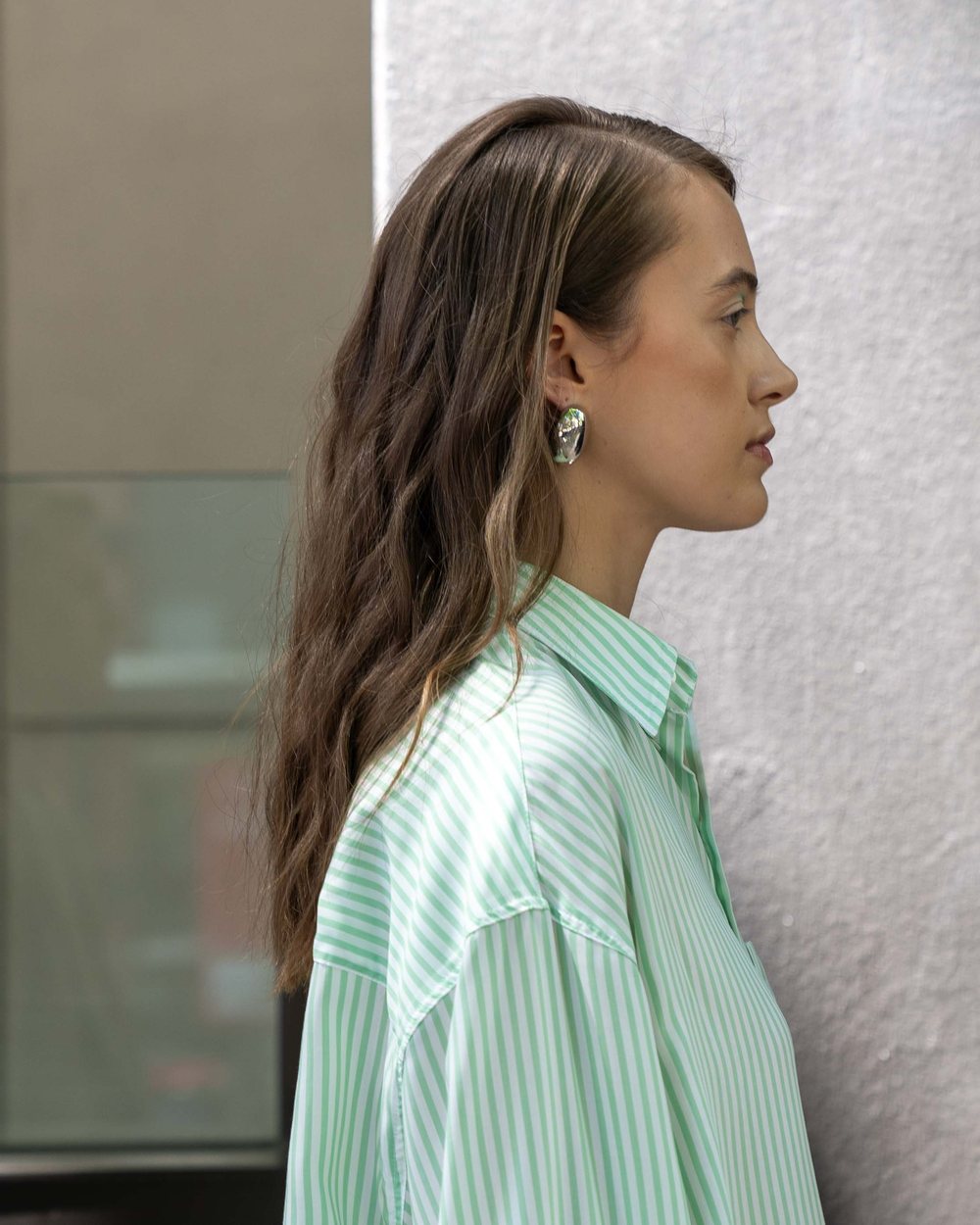
Davroe Haircare
Profile, clean light, hair as the subject. Shot at Melbourne Fashion Week.
Creative intent. Show hair and styling in a campaign setting.
Product still life
Skin Ritual
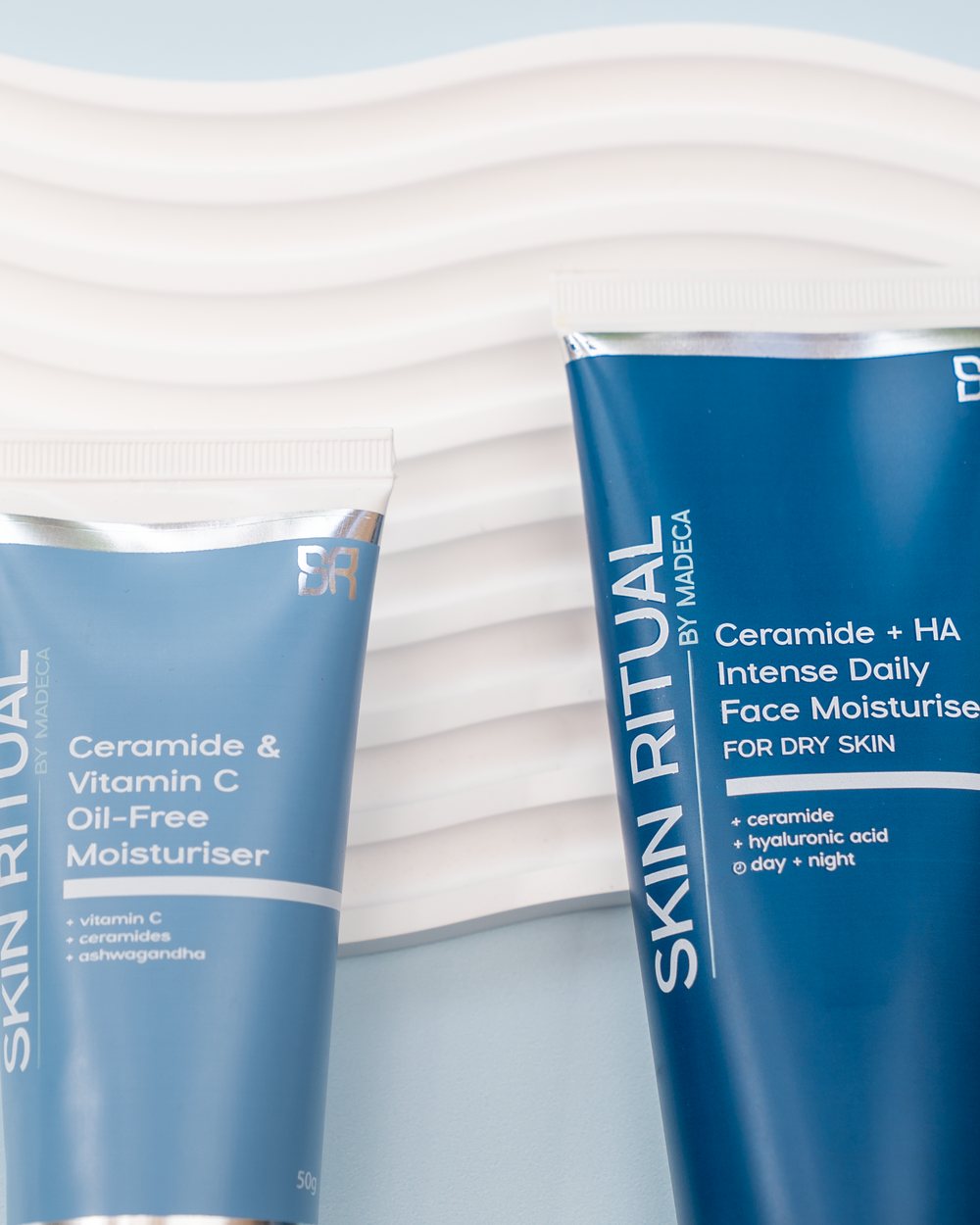
Two products, one surface, controlled light. Built to be cropped a dozen ways.
Creative intent. Present the products in a clear, adaptable composition.
Campaign editorial
Ziji The Label
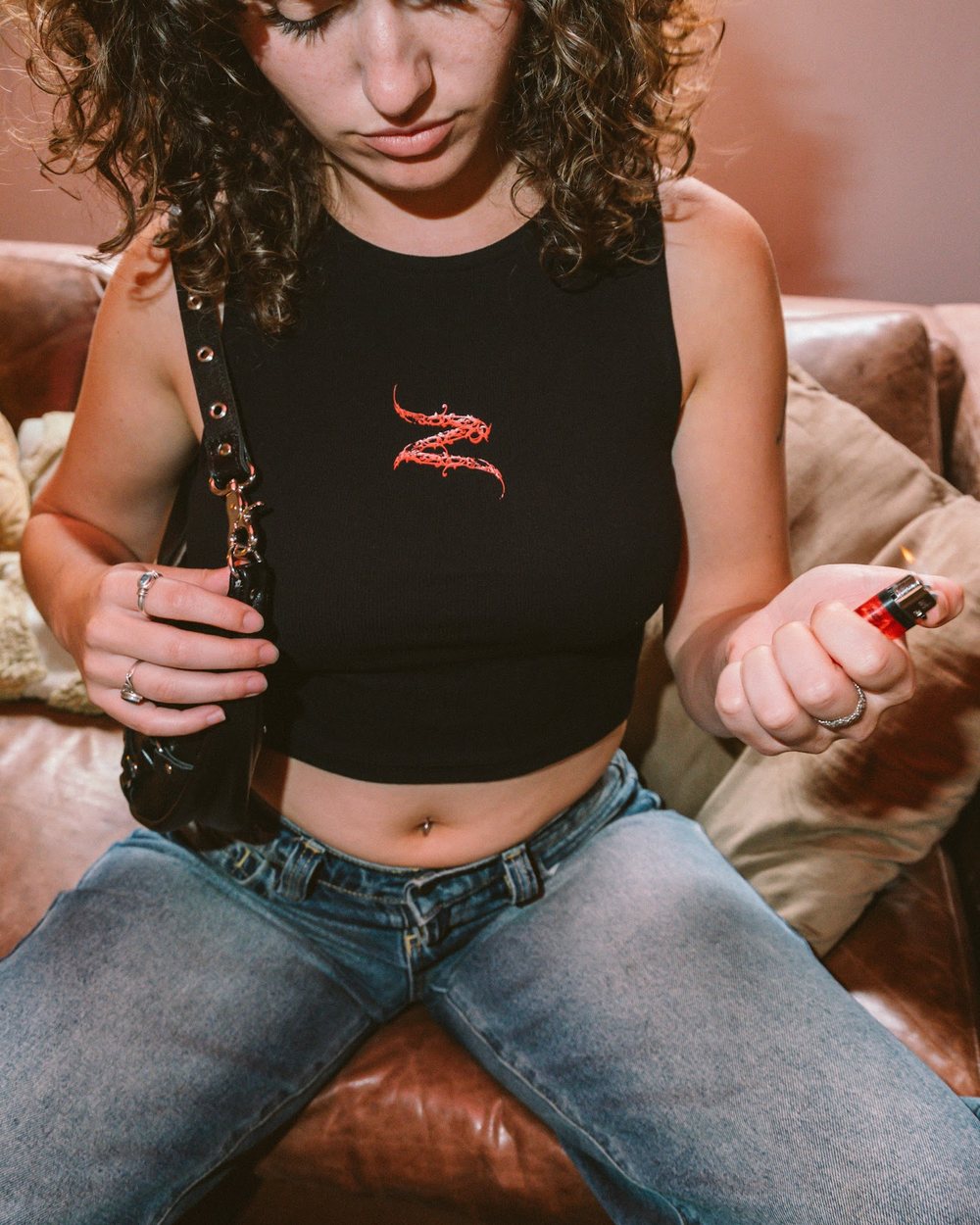
Styled and directed on location. Shot for the campaign and cut down for paid.
Creative intent. Establish the mood and styling of the fashion campaign.
In their words
From the founders themselves.
“If you're reading this to decide on whether to work with Amber Social, don't hesitate. There are few people you meet in your life as a business owner that treat your business as their own and Amber is one of those people. Beyond the expertise in the obvious fields her commitment to treating the business as a whole and working on it this way is what takes her service to another level.”
We're now Further. This review appears under our former name, Amber Social.
“I worked with Amber during an aggressive start up phase of business. I needed a marketing partner, not another agency, and I spoke with 20+ businesses across Aus before I settled.
With Amber and her teams support, we scaled aggressively but also sustainably. The team acted as a key partner, leading marketing from a creative, strategic and financial angle. Her team was monitoring my financials and making recommendations based on sustainability, not just spending more on ads.”
We're now Further. This review appears under our former name, Amber Social.
Let's find the next opportunity for your business.
Tell us what you're trying to grow and where things have stalled. We'll talk through the challenges, the numbers worth examining and whether Further is the right team to help.